
 Geeton ka Sangrah
New:
Sooryavansham (सूर्यवंशम)
— Sonu Nigam
Trending:
Har Subah (हर सुबह)
— K. S. Chithra
Classic:
Kore Kore Sapane (कोरे कोरे सपने)
— Anuradha Paudwal
Popular:
Dil Mere Tu Deewana (दिल मेरे तू दीवाना)
— Kumar Sanu
Trending:
Peepal Ke Patwa (पीपल के पतवा)
— Jaspinder Narula
Classic:
Chori Se Chori Se (चोरी से चोरी से)
— Amitabh Bachchan
New:
Sanson Ki Mala (साँसों की माला)
— Madhur Sharma
Added:
Guzarish (गुजारिश)
— Satinder Sartaaj
Popular:
Aaj Imtihan Hai (आज इम्तिहान हैं)
— Lata Mangeshkar
Classic:
Ae Yaar Sun Yaari Teri (ये यार सुन यारी तेरी)
— Asha Bhosle
Udit Narayan Songs Lyrics
Udit Narayan is one of India's most celebrated playback singers, known for his melodious, youthful and versatile voice. He has primarily sung in Hindi cinema, while also recording extensively in Nepali, Maithili, Bhojpuri and many other Indian languages. His career spans more than four decades, beginning professionally in the early 1980s.
He became a major Bollywood star with “Papa Kehte Hain” from Qayamat Se Qayamat Tak (1988). He subsequently became the singing voice associated with many leading actors, particularly Aamir Khan and Shah Rukh Khan, and recorded numerous evergreen songs such as “Pehla Nasha,” “Pardesi Pardesi,” “Taal Se Taal Mila,” “Kuch Kuch Hota Hai,” “Main Yahaan Hoon,” “Mitwa” and “Aaye Ho Meri Zindagi Mein.”






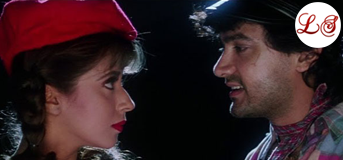
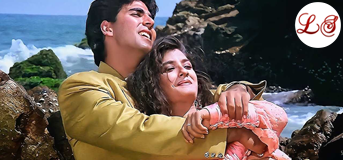
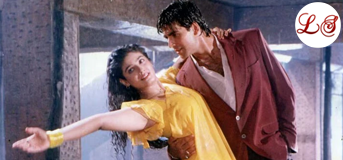
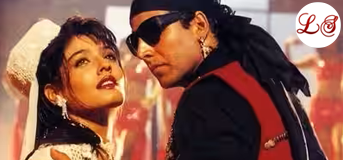



About Udit Narayan
Udit Narayan Jha was born on 1 December 1955. His birthplace is reported as Baisi in Supaul district, Bihar, although some biographical databases list Bhardaha, Nepal. Udit Narayan himself has stated that he was born in Baisi, Bihar, at his maternal grandparents' home near the India-Nepal border.
His father, Harekrishna Jha, was a farmer, while his mother, Bhuvaneshwari Devi, was a Maithili and Bhojpuri folk singer. His mother's musical background played an important role in encouraging his interest in singing.
Early Musical Career
Udit Narayan began performing folk and modern songs on Radio Nepal during the 1970s. He sang in Nepali, Maithili and Bhojpuri traditions and gained valuable experience through radio performances and public events.
In 1978, he received a music scholarship and moved to Mumbai, where he trained in classical music at the Bharatiya Vidya Bhavan. His classical training helped establish the vocal foundation for his later playback career.
Bollywood Debut
Udit Narayan received his first major Hindi-film opportunity from music director Rajesh Roshan for Unees-Bees (1980). The film gave him the opportunity to sing alongside his musical inspiration Mohammed Rafi.
The 1980s were initially a difficult period for him, with several years of struggle before his major breakthrough.
Breakthrough with Qayamat Se Qayamat Tak
Udit Narayan's career changed dramatically with Qayamat Se Qayamat Tak (1988).
His rendition of “Papa Kehte Hain”, composed by Anand–Milind, became a huge hit and established his youthful voice as a defining sound of the new generation of Hindi-film music. The song was particularly associated with Aamir Khan and became one of the most recognizable songs of the late 1980s.
Popular Songs
Some of Udit Narayan's most popular songs include:
- Papa Kehte Hain — Qayamat Se Qayamat Tak (1988)
- Pehla Nasha — Jo Jeeta Wohi Sikandar (1992)
- Pardesi Pardesi — Raja Hindustani (1996)
- Aaye Ho Meri Zindagi Mein — Raja Hindustani (1996)
- Ho Nahi Sakta — Diljale (1996)
- Dil To Pagal Hai — Dil To Pagal Hai (1997)
- Kuch Kuch Hota Hai — Kuch Kuch Hota Hai (1998)
- Taal Se Taal Mila — Taal (1999)
- Chand Chhupa Badal Mein — Hum Dil De Chuke Sanam (1999)
- Mitwa — Lagaan (2001)
- Jaane Kyon Log — Dil Chahta Hai (2001)
- Udd Jaa Kaale Kaava — Gadar: Ek Prem Katha (2001)
- Main Yahaan Hoon — Veer-Zaara (2004)
- Kyon Hawa — Veer-Zaara (2004)
- Yeh Taara Woh Taara — Swades (2004)
- Aisa Kyun Hota Hai — Dil Chahta Hai
- Suno Gaur Se Duniya Walon — Dus (1997)
His catalogue extends across thousands of recordings and numerous languages.
“Pehla Nasha”
“Pehla Nasha” from Jo Jeeta Wohi Sikandar (1992) is one of Udit Narayan's most beloved romantic songs.
His soft and youthful vocals became closely associated with the romantic hero of 1990s Hindi cinema. The song remains one of the most enduring romantic melodies of Bollywood.
“Pardesi Pardesi”
“Pardesi Pardesi” from Raja Hindustani (1996) became another major success in Udit Narayan's career.
His emotional delivery complemented the film's dramatic storyline and helped make the soundtrack one of the most memorable albums of the 1990s.
“Taal Se Taal Mila”
Udit Narayan's “Taal Se Taal Mila” from Taal (1999), composed by A. R. Rahman, demonstrated his ability to adapt his voice to contemporary arrangements while retaining his characteristic melodic quality. Apple Music lists it among his prominent songs.
“Mitwa”
Udit Narayan won the National Film Award for Best Male Playback Singer for “Mitwa” from Lagaan (2001).
The song was composed by A. R. Rahman and became one of the defining musical highlights of the acclaimed film.
“Main Yahaan Hoon”
“Main Yahaan Hoon” from Veer-Zaara (2004) is another signature Udit Narayan recording.
The romantic melody, composed by Madan Mohan and recreated for the film by Sanjay Leela Bhansali, showcased Udit's expressive and emotional singing style.
Regional Music
Although Udit Narayan is best known for Hindi playback singing, he has recorded songs in a wide variety of languages.
His repertoire includes:
- Hindi
- Nepali
- Maithili
- Bhojpuri
- Bengali
- Gujarati
- Marathi
- Tamil
- Telugu
- Kannada
- Malayalam
- Punjabi
- Odia
- Assamese
- Sindhi
- Tulu
- Garhwali
- Meitei
This linguistic versatility has made him one of the most widely recorded playback singers in Indian cinema.
Duets and Collaborations
Udit Narayan recorded numerous successful duets with leading female playback singers, including:
- Alka Yagnik
- Kavita Krishnamurthy
- Anuradha Paudwal
- Sadhana Sargam
- Lata Mangeshkar
- Asha Bhosle
- Sunidhi Chauhan
- Shreya Ghoshal
His collaborations with Alka Yagnik in particular produced many of the most popular romantic songs of the 1990s and early 2000s.
Awards and Honours
Udit Narayan has received some of the highest honours in Indian music.
Major Awards
- National Film Award for Best Male Playback Singer — “Mitwa” (Lagaan)
- National Film Award — “Jaane Kyon Log” (Dil Chahta Hai)
- National Film Award — “Chhote Chhote Sapne” (Zindagi Khoobsoorat Hai)
- National Film Award — “Yeh Taara Woh Taara” (Swades)
- Five Filmfare Awards
- Padma Shri — 2009
- Padma Bhushan — 2016
- Prabal Gorkha Dakshin Bahu — Government of Nepal, 2001
- Lata Mangeshkar Award — 2015
His honours recognize his contribution to Indian film music and the wider performing arts.
Music Style
Udit Narayan is particularly known for his:
- Melodious voice
- Youthful vocal quality
- Romantic songs
- Playback singing
- Classical training
- Folk influences
- Duet performances
- Hindi film music
- Nepali and regional-language singing
His voice became especially associated with the romantic heroes of 1990s and early-2000s Bollywood.
Contribution to Indian Music
Udit Narayan is regarded as one of the defining playback singers of the 1990s and early 2000s. His voice appeared in many of the period's biggest Hindi-film soundtracks, and his songs became closely associated with stars such as Aamir Khan, Shah Rukh Khan, Salman Khan, Hrithik Roshan and Anil Kapoor.
His long career, multilingual repertoire and numerous awards have established him as one of India's most successful male playback singers.
Recent Work
Udit Narayan continues to be active in music. Apple Music currently lists 2026 releases, including “Hum Pyaar Karne Wale” from Dhurandhar: The Revenge and a “Mere Mehboob Mere Sanam” remix, demonstrating that he remains active as a recording artist.
Birth Details
Full Name: Udit Narayan Jha
Profession: Playback Singer
Date of Birth: 1 December 1955
Birth Place: Baisi, Supaul district, Bihar, India
Nationality: Indian
Years Active: 1980–present
Genres: Filmi, Pop, Semi-Classical, Bhajan, Folk