
 Geeton ka Sangrah
Classic:
Ghash Kha Ke Ho Gaya (गश खा के हो गया)
— Sukhwinder Singh
Added:
Mera Ek Sapna Hai (मेरा एक सपना हैं)
— Kavita Krishnamurthy
Added:
Aye Shivani (आये शीवानी)
— Sanjay Dutt
Popular:
Bahut Khoobsurat Ho (बहुत खूबसूरत हो)
— Abhijeet Bhattacharya
Classic:
Jay Mata Dee He Ambe Baliharee (जय माता दी हे अम्बे बलिहारी)
— Sanjeevani Bhelande
Classic:
Jaaneman Jaaneman (जानेमन जानेमन)
— Kavita Krishnamurthy
New:
Pagal Hua Deewana Hua (पागल हुआ दीवाना हुआ)
— Jaspinder Narula
New:
Ladakee Ladakee Too Woh Ladakee (लड़की लड़की, तू वो लड़की)
— Abhijeet Bhattacharya
Added:
Baabaa Naanak Dukhiyaan De Naath Ve (बाबा नानक दुखियां दे नाथ वे)
— Kishanpal Singh
New:
Hum Hai Banaras Ke Bhaiya (हम हैं बनारस के भैया)
— Amit Kumar
Waqt (1965) Songs Lyrics
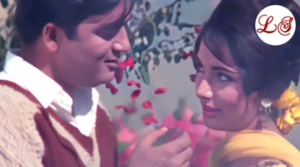
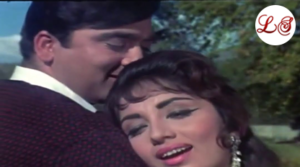
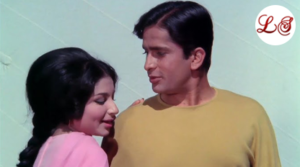
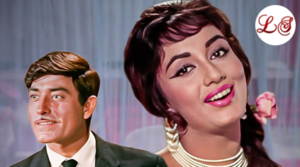
Waqt is a 1965 Hindi drama-romance film directed by Yash Chopra and produced by B. R. Chopra under B. R. Films. The film features an ensemble cast including Balraj Sahni, Raaj Kumar, Sunil Dutt, Shashi Kapoor, Sadhana, Sharmila Tagore, Rehman, Achala Sachdev and Madan Puri. The story was written by Akhtar Mirza, dialogues were written by Akhtar-Ul-Iman, and the music was composed by Ravi, with lyrics by Sahir Ludhianvi.
The film revolves around Lala Kedarnath, a wealthy and respected businessman whose happy family is suddenly torn apart by a devastating earthquake. His three sons are separated from their parents and grow up in completely different circumstances. Years later, fate brings them together in unexpected ways, leading to one of Hindi cinema's most memorable “lost and found” stories.

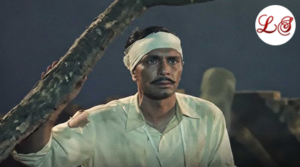
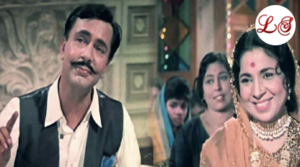
About the Movie Waqt (1965)
The story begins with Lala Kedarnath, played by Balraj Sahni, a successful and prosperous businessman who lives happily with his wife Laxmi and their three young sons—Raja, Ravi and Vijay.
Kedarnath is proud of his success and believes that his hard work has allowed him to control his own destiny.
During a family celebration, however, Kedarnath makes a boastful statement about his ability to shape his own future.
Soon afterward, a devastating earthquake strikes.
The disaster destroys the family's home and separates Kedarnath from his wife and three sons.
Each member of the family is forced to face a completely different life.
The eldest son, Raja, is separated from his family and eventually ends up in an orphanage. After suffering exploitation and hardship, he runs away and becomes involved in criminal activities.
The second son, Ravi, is separated from the family and is eventually adopted by a wealthy family. He receives a good education and grows up to become a successful lawyer.
The youngest son, Vijay, remains connected to his mother for some time but eventually faces poverty and hardship. He grows up working as a driver to support himself and his ailing mother.
Meanwhile, Lala Kedarnath's own life takes a tragic turn. He is falsely accused of murder and ends up in prison.
Years pass.
The three brothers grow up without knowing that they are connected by blood.
Raja becomes involved in the criminal world and is known as Raju.
Ravi becomes a respected lawyer.
Vijay struggles to earn an honest living.
Their lives eventually begin to intersect.
Ravi falls in love with Renu, while Vijay develops a romantic relationship with Meena Mittal.
Raja, meanwhile, remains connected to the criminal underworld and becomes involved in a series of dangerous situations.
The central irony of the story is that the three brothers repeatedly cross paths without realizing that they are members of the same family.
Eventually, their lives converge in a dramatic courtroom sequence.
The father and his three sons find themselves connected through a complicated legal case.
As the truth gradually emerges, long-hidden identities are revealed.
The family finally discovers that the people they have encountered over the years are actually their own loved ones.
The lost family is ultimately reunited, bringing the story full circle.
The film's central message is that time and fate can change people's lives in unexpected ways, but family bonds can ultimately overcome years of separation and hardship.
Main Cast
- Balraj Sahni — Lala Kedarnath Prasad
- Raaj Kumar — Raja / Raju
- Sunil Dutt — Ravi / Bablu
- Shashi Kapoor — Vijay / Munna
- Sadhana — Meena Mittal
- Sharmila Tagore — Renu Khanna
- Achala Sachdev — Laxmi Kedarnath
- Rehman — Chinoy Seth
- Madan Puri — Balbir Singh
- Shashikala — Rani Sahiba
- Manmohan Krishna — Mr. Mittal
- Leela Chitnis — Mrs. Mittal
- Jeevan — Orphanage Warden
- Motilal — Public Prosecutor
- Mubarak — Judge
- Jagdish Raj — Police Inspector
Director & Production
Director: Yash Chopra
Producer: B. R. Chopra
Production Company: B. R. Films
Story: Akhtar Mirza
Dialogues: Akhtar-Ul-Iman
Music: Ravi
Lyrics: Sahir Ludhianvi
Cinematography: Dharam Chopra
Editor: Pran Mehra
Language: Hindi
Genre: Drama, Romance, Musical
Runtime: Approximately 178 minutes
Music
The music of Waqt was composed by Ravi, with lyrics by legendary poet and lyricist Sahir Ludhianvi. The soundtrack became one of the notable Hindi film albums of the 1960s.
Popular Songs
- Ae Meri Zohra Jabeen
- Waqt Se Din Aur Raat
- Aage Bhi Jaane Na Tu
- Din Hain Bahar Ke
- Hum Jab Simatke Aapki Bahon Mein
- Maine Ek Khwab Sa Dekha Hai
- Kaun Aaya Ki Nigahon Mein Chamak Jaag Uthi
- Chehre Pe Khushi Chhaa Jaati Hai
The songs “Ae Meri Zohra Jabeen” and “Waqt Se Din Aur Raat” remain particularly popular among listeners of classic Hindi cinema.
Themes
Waqt explores:
- Family separation
- Fate and destiny
- Time
- Brotherhood
- Parental love
- Poverty and wealth
- Crime and redemption
- Romance
- Justice
- Family reunion
The film famously emphasizes the idea that time can completely transform people's lives, while destiny can eventually bring separated family members back together.
Legacy
Waqt became one of the major successes of 1965 and is regarded as an important film in the development of the Hindi cinema “lost and found” formula. It was the highest-grossing Hindi film of 1965 and became a major success for B. R. Films.
The film also helped establish Yash Chopra as a major filmmaker. It received five Filmfare Awards, including Best Director for Yash Chopra, Best Supporting Actor for Raaj Kumar, Best Story for Akhtar Mirza, Best Dialogue for Akhtar-Ul-Iman and Best Cinematography (Colour) for Dharam Chopra.
Its ensemble cast, dramatic earthquake sequence, courtroom climax and memorable music made Waqt one of the enduring classics of 1960s Hindi cinema.