
 Geeton ka Sangrah
Popular:
Data Ek Ram (दाता एक राम)
— Hari Om Sharan
Popular:
Ram Bhajan Kar Man (राम भजन कर मन)
— Lata Mangeshkar
Added:
Hari Ka Dhyan Laga Man Mere (हरि का ध्यान लगा मन मेरे)
— Mohammed Rafi
Trending:
Bhajo Re Man Raam Govind Hari (भजो रे मन राम गोविंद हरि)
— Mohammed Rafi
Popular:
Ramcharitmanas (रामचरितमानस)
— Lata Mangeshkar
Trending:
Ram Ramaiya Gaye Ja (राम रमैया गाए जा)
— Anup Jalota
Added:
Sitaram Sitaram Kahiye (सीताराम सीताराम कहिये)
— Anup Jalota
Popular:
Thumak Chalat Ramchandra (ठुमक चलत रामचंद्र)
— Lata Mangeshkar
New:
Jag Main Sundar Hain Do Naam (जग में सुन्दर है दो नाम)
— Anup Jalota
Popular:
Yeh Pyasi Jawaani (यह प्यासी जवानी)
— Alka Yagnik
Pankaj Udhas Songs Lyrics
Pankaj Udhas was one of India's most celebrated ghazal and playback singers, widely admired for his smooth, soulful and expressive voice. He played a major role in bringing ghazal music to a much wider mainstream audience through his albums, live concerts and Hindi film songs.
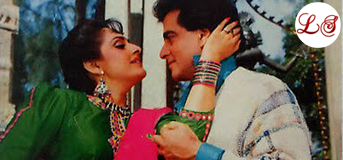
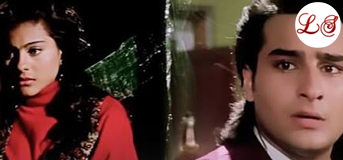
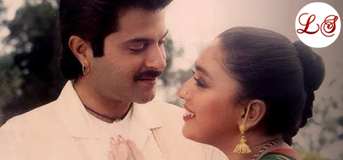
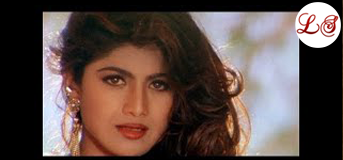
His career reached a major turning point with “Chitthi Aayi Hai” from the 1986 film Naam. The song became an instant classic and established him as one of the most recognizable ghazal voices in India. His other celebrated songs include “Jeeye To Jeeye Kaise,” “Na Kajre Ki Dhar,” “Chandi Jaisa Rang Hai Tera,” “Aur Ahista Kijiye Baatein” and “Ghungroo Toot Gaye.”
Pankaj Udhas was also a successful album artist, releasing more than 50 albums during his career. His important albums included Aahat, Mukarar, Tarrannum, Mehfil, Nayaab and Aafreen.


About Pankaj Udhas
Pankaj Keshubhai Udhas was born on 17 May 1951 in Jetpur, Gujarat, India. He came from a musical family and was the youngest of three brothers. His elder brothers Manhar Udhas and Nirmal Udhas also became singers.
His family originally belonged to Navagadh near Rajkot. His father, Keshubhai Udhas, was a government servant, while his grandfather had served as the Diwan of Bhavnagar State.
Pankaj developed an interest in music during childhood. He initially studied classical vocal music and later became deeply interested in the ghazal tradition. He also learned Urdu to better understand and perform ghazal poetry.
Early Musical Journey
Pankaj Udhas received early musical encouragement from his family. His father enrolled him and his brothers at a music academy in Rajkot. He initially learned the tabla before moving toward vocal music. Later, he received training in Indian classical vocal music under Master Navrang.
His first public performance reportedly took place during the Sino-Indian War, when he sang the patriotic song “Aye Mere Watan Ke Logo.” His performance received a small cash reward from an audience member, an experience that encouraged him to continue singing.
First Film Opportunity
Pankaj Udhas made an early playback-singing appearance with the film Kamna, with music composed by Usha Khanna. Although the film itself was not successful, his singing was appreciated.
He eventually decided to concentrate on ghazal singing, a decision that would define his career.
Ghazal Career
Pankaj Udhas traveled to Canada and the United States for ghazal performances early in his career. The experience gave him confidence as a professional ghazal performer and helped introduce his music to international audiences.
After returning to India, he released his first major ghazal album, Aahat, in 1980. The album marked the beginning of a highly successful recording career.
Important Albums
Some of Pankaj Udhas's most important albums include:
- Aahat — 1980
- Mukarar — 1981
- Tarrannum — 1982
- Mehfil — 1983
- Pankaj Udhas Live at Royal Albert Hall — 1984
- Nayaab — 1985
- Aafreen — 1986
- Aashiyana — 1992
- Mahek — 1999
- In Search of Meer — 2003
- Hasrat — 2005
- Jashn — 2006
- Shaayar — 2010
- Sentimental — 2013
- Khamoshi Ki Aawaz — 2014
- Khwabon Ki Kahani — 2015
- Nayaab Lamhe with Gulzar — 2018
Breakthrough with Chitthi Aayi Hai
Pankaj Udhas achieved nationwide fame through “Chitthi Aayi Hai” from Mahesh Bhatt's 1986 film Naam.
The emotional song about a letter arriving from home became an instant hit and remains one of the most famous songs of his career. It helped introduce his ghazal-oriented singing to millions of Hindi-film audiences.
The success of the song opened the doors to many more playback opportunities in Hindi cinema.
Popular Songs
Some of Pankaj Udhas's best-known songs include:
- Chitthi Aayi Hai — Naam (1986)
- Jeeye To Jeeye Kaise — Saajan (1991)
- Na Kajre Ki Dhar — Mohra (1994)
- Mahiya Teri Kasam — Ghayal (1990)
- Chandi Jaisa Rang Hai Tera
- Aur Ahista Kijiye Baatein
- Ghungroo Toot Gaye
- Ahista
- Niklo Na Benaqab
- Ek Taraf Uska Ghar
- Aaj Jinke Kareeb Hote Hain
- Sabko Maloom Hai
- La Pila De Saqiya
- Thodi Thodi Piya Karo
His music frequently explored themes of love, separation, romance, longing, memories and intoxication, which are central themes in traditional ghazal poetry.
Jeeye To Jeeye Kaise
“Jeeye To Jeeye Kaise” from Saajan (1991) is one of Pankaj Udhas's most recognizable Bollywood recordings.
The song became extremely popular and demonstrated his ability to bring the emotional depth of ghazal singing into mainstream Hindi film music.
Na Kajre Ki Dhar
Pankaj Udhas performed “Na Kajre Ki Dhar” for the 1994 film Mohra with Sadhana Sargam.
The romantic duet became one of the memorable songs of the film and further established his versatility as a playback singer.
Mahiya Teri Kasam
In 1990, Pankaj Udhas recorded the duet “Mahiya Teri Kasam” with Lata Mangeshkar for the film Ghayal.
The collaboration with Lata Mangeshkar became another important milestone in his playback career.
Work in Hindi Cinema
Although Pankaj Udhas was primarily a ghazal singer, he also made significant contributions to Hindi film music.
He provided playback vocals for films including:
- Naam
- Ghayal
- Saajan
- Mohra
- Yeh Dillagi
- Phir Teri Kahaani Yaad Aayee
- Dil Toh Deewana Hai
His film work helped bridge the gap between traditional ghazal music and commercial Hindi cinema.
International Performances
Pankaj Udhas developed a strong international following and performed at prestigious venues around the world.
His performances included concerts at:
- Royal Albert Hall, London
- Madison Square Garden, New York
- Sydney Opera House
- The O2 Arena, London
His international concerts helped establish Indian ghazal music among audiences outside India.
Khazana – Festival of Ghazals
Pankaj Udhas was closely associated with Khazana – A Festival of Ghazals, which became an important platform for ghazal performers.
Beyond music, he was also involved in philanthropic activities. His work through Khazana, PATUT and CPAA supported causes including thalassemia and cancer care.
Awards and Recognition
Pankaj Udhas received several important honors during and after his lifetime.
His major recognition includes:
- Padma Shri — 2006
- Padma Bhushan — 2025, posthumously
The Government of India's official Padma Awards citation describes him as the “Velvet Voice of India” and recognizes his contribution to ghazal music and his ability to connect traditional music with a broad modern audience.
Musical Style
Pankaj Udhas was especially known for his:
- Ghazal singing
- Smooth and warm vocal tone
- Emotional expression
- Clear Urdu pronunciation
- Romantic poetry
- Hindi film playback singing
- Live ghazal performances
- Devotional and spiritual music
His greatest strength was his ability to make sophisticated ghazal poetry accessible to ordinary listeners.
Contribution to Ghazal Music
One of Pankaj Udhas's greatest achievements was helping take ghazal music beyond traditional intimate gatherings and into the homes of a much larger audience.
His recordings combined poetry, melody and accessible arrangements, making ghazals popular among listeners who might not otherwise have explored the genre. His official memorial biography credits him with carrying ghazal from traditional mehfil settings into the hearts of millions.
Legacy
Pankaj Udhas is remembered as one of the defining ghazal singers of modern India.
His breakthrough through “Chitthi Aayi Hai”, extensive album catalog, international concerts and contribution to philanthropic causes created a legacy that extends beyond playback singing.
His voice became closely associated with the emotional world of ghazals—love, longing, memories, romance and separation. His influence on Indian ghazal music continues through his recordings and through the many singers who followed his style.
Birth Details
Full Name: Pankaj Keshubhai Udhas
Popular Name: Pankaj Udhas
Profession: Ghazal Singer / Playback Singer
Date of Birth: 17 May 1951
Birth Place: Jetpur, Gujarat, India
Hometown: Navagadh, near Rajkot, Gujarat
Nationality: Indian
Genres: Ghazal, Hindi Film Music, Indian Pop
Years Active: 1980–2024
Death Details
Date of Death: 26 February 2024
Place of Death: Mumbai, Maharashtra, India
Age: 72 years
Cause: Prolonged illness
Status: Deceased