
 Geeton ka Sangrah
Popular:
Kyon Chhupate Ho Mann Ki Baat (क्यों छुपाते हो मन की बात)
— Anuradha Paudwal
Popular:
Khushiyan Aur Gam (खुशियाँ और ग़म)
— Anuradha Paudwal
Popular:
Kehna Hai Tumse Kehna (कहना है, तुमसे कहना है)
— Hema Sardesai
New:
Kali Nagin Ke Jaisi (काली नागिन के जैसी)
— Kavita Krishnamurthy
Trending:
Chaha Hai Tujhko (चाहा है तुझको)
— Anuradha Paudwal
Trending:
Kyaa Dekh Rahe Ho Tum (क्या देख रहे हो तुम)
— Madhushree
Trending:
Ishq Bina Ishq Bina (इश्क़ बिना, इश्क़ बिना)
— Kavita Krishnamurthy
Classic:
Kariye Na (करिये ना)
— Alka Yagnik
New:
Ramta Jogi (रामता जोगी)
— Alka Yagnik
Popular:
Ni Main Samajh Gayee (नि में समझ गयी)
— Richa Sharma
Smita Patil Songs Lyrics
Smita Patil was one of the most acclaimed actresses of Indian cinema, particularly known for her powerful performances in Hindi and Marathi films. She became one of the leading faces of India's parallel cinema movement, while also appearing successfully in mainstream Bollywood films. Her notable films include Manthan, Bhumika, Aakrosh, Chakra, Arth, Namak Halaal, Shakti, Mandi, Ardh Satya and Mirch Masala.
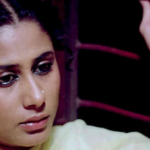

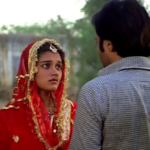


About Smita Patil
Smita Patil was born on 17 October 1955 in Pune, Maharashtra, India. Her father, Shivajirao Girdhar Patil, was a politician and social activist, while her mother was Vidyatai Patil. Smita grew up in an environment that exposed her to social and cultural issues from an early age.
Before entering films, Smita worked as a television newsreader and was involved with theatre. She studied at the Film and Television Institute of India (FTII), Pune, and gradually developed an interest in acting.
She made her film debut with Shyam Benegal's Charandas Chor (1975) and soon became closely associated with India's New Wave or parallel cinema. Her collaboration with filmmakers such as Shyam Benegal, Govind Nihalani, Mrinal Sen and Satyajit Ray helped establish her reputation as an actress capable of portraying complex and socially relevant characters.
Her performance in Bhumika (1977) earned her the National Film Award for Best Actress. She won the award again for Chakra (1981). Other acclaimed performances came in Manthan, Jait Re Jait, Aakrosh, Umbartha, Arth, Mandi, Ardh Satya and Mirch Masala.
Unlike many actresses associated exclusively with parallel cinema, Smita also appeared in successful mainstream films. Her popular commercial films included Namak Halaal (1982), Shakti (1982), Aaj Ki Awaaz (1984) and Amrit (1986). Her ability to move between realistic cinema and mainstream entertainment demonstrated her versatility.
Smita Patil was married to actor Raj Babbar. Their son, Prateik Babbar, was born in November 1986. Tragically, Smita died on 13 December 1986 in Bombay (now Mumbai) at the age of 31, from complications following childbirth.
In recognition of her contribution to Indian cinema, Smita Patil received the Padma Shri in 1985. Several of her films were released after her death, further extending her cinematic legacy.
Personal Details
- Name: Smita Patil
- Profession: Actress, Television Newscaster
- Birth Date: 17 October 1955
- Birth Place: Pune, Maharashtra, India
- Death Date: 13 December 1986
- Death Place: Bombay (Mumbai), Maharashtra, India
- Age at Death: 31 years
- Film Debut: Charandas Chor (1975)
- Notable Films: Manthan, Bhumika, Aakrosh, Chakra, Umbartha, Namak Halaal, Shakti, Arth, Mandi, Ardh Satya, Mirch Masala, Amrit
- Husband: Raj Babbar
- Son: Prateik Babbar
- Awards: 2 National Film Awards for Best Actress, Filmfare Award and other honours
- Padma Shri: 1985
- Years Active: 1974–1986