
 Geeton ka Sangrah
New:
Khoobsurat (खूबसूरत)
— Kumar Sanu
Trending:
Chidiya Chidiya Udti Jaaye (चिड़िया चिड़िया उड़ती जाए)
— Uttam Singh
New:
Hippy Hippy Ya (हिप्पी हिप्पी या)
— Asha Bhosle
Classic:
Tunna Tunna (टुन्ना टुन्ना)
— Shankar Mahadevan
New:
Chithi Na Koi Sandesh (चिट्ठी ना कोई सन्देश) (Male Version)
— Jagjit Singh
Trending:
Aawaz Do Humko (आवाज़ दो हमको)
— Lata Mangeshkar
Added:
Pyaar Ko Ho Jaane Do (प्यार को हो जाने दो)
— Kumar Sanu
Popular:
Dil Mera Le Gayi (दिल मेरा ले गयी)
— Alka Yagnik
Added:
Pagal Karna Pagal Hona (पागल करना पागल होना)
— Anuradha Paudwal
Classic:
Punajbi Kudi Maare Jhatke (पंजाबी मुंडा मरे झटके)
— Hema Sardesai
Sahib Bibi Aur Ghulam (1962) Songs Lyrics
Sahib Bibi Aur Ghulam is a 1962 Hindi drama-musical film directed by Abrar Alvi and produced by Guru Dutt. The film stars Meena Kumari, Guru Dutt, Rehman and Waheeda Rehman in prominent roles. It is based on Bimal Mitra's Bengali novel of the same name and portrays the decline of the feudal zamindari system in Bengal during the British Raj.
The story is narrated largely through Bhootnath, played by Guru Dutt, a young man who comes to Calcutta seeking work. He becomes acquainted with Chhoti Bahu, played by Meena Kumari, the neglected wife of a zamindar. Desperate to win back her husband's affection, Chhoti Bahu begins drinking and gradually becomes trapped in a tragic cycle of loneliness and addiction.
The film is celebrated for Meena Kumari's powerful performance, Guru Dutt's sensitive portrayal of Bhootnath, V. K. Murthy's cinematography and Hemant Kumar's haunting music. It won major national and Filmfare recognition and is regarded as an important classic of Hindi cinema.

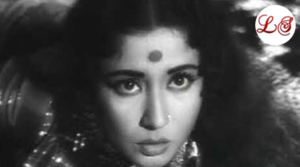
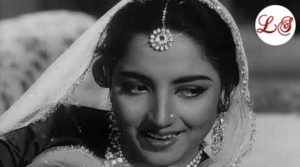
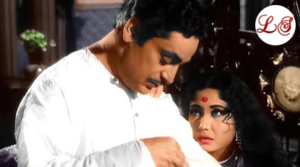
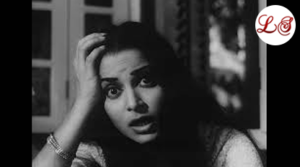
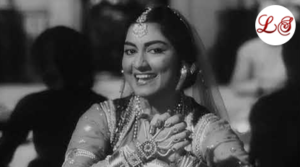

About the Movie Sahib Bibi Aur Ghulam (1962)
The story is set in late-19th-century Bengal, during a period when the traditional zamindari aristocracy is beginning to decline.
Bhootnath, played by Guru Dutt, is a young and ambitious man who comes to Calcutta in search of employment. He finds work with the family of a wealthy zamindar and gradually becomes familiar with the world inside their enormous haveli.
Bhootnath is fascinated by the lifestyle of the aristocratic family but soon notices that the grandeur of the household hides deep emotional problems.
Among the members of the family is Chhoti Bahu, played by Meena Kumari.
Chhoti Bahu is the young wife of Chhote Sarkar, played by Rehman. Although she is married, her husband spends most of his time drinking, visiting courtesans and enjoying a life outside the home.
Chhoti Bahu feels increasingly lonely and neglected.
She desperately wants her husband to return to her and become a loving husband.
Bhootnath gradually develops a respectful and sympathetic relationship with Chhoti Bahu. He sees her suffering and becomes concerned about her desperate attempts to save her marriage.
Chhoti Bahu decides to change herself according to her husband's habits.
She begins drinking alcohol in the hope that her husband will appreciate her company.
Initially, she believes that drinking will bring them closer together.
Instead, the situation becomes increasingly destructive.
Her husband continues to neglect her, while Chhoti Bahu becomes dependent on alcohol.
Bhootnath remains one of the few people who genuinely cares about her.
At the same time, Bhootnath develops a relationship with Jaba, played by Waheeda Rehman, the daughter of Suvinoy Babu.
Jaba is intelligent and independent, and her relationship with Bhootnath provides a contrast to the tragic world of the zamindar household.
As the story progresses, the family's wealth and social power begin to deteriorate.
The once-grand haveli becomes a symbol of a dying feudal system.
Chhoti Bahu's condition also worsens.
Her efforts to regain her husband's affection fail, and her dependence on alcohol pushes her further into tragedy.
Bhootnath eventually leaves the household to pursue his own future.
Years later, he returns to the area as a successful man and discovers that the old haveli has fallen into ruins.
The past comes back to him as he remembers Chhoti Bahu and the tragic events surrounding her life.
The remains of the haveli reveal the final fate of the people who once lived there.
The story ultimately becomes a powerful reflection on loneliness, patriarchy, social change, addiction and the collapse of the feudal aristocracy.
Main Cast
- Meena Kumari — Chhoti Bahu
- Guru Dutt — Atulya Chakraborty "Bhootnath"
- Rehman — Chhote Sarkar
- Waheeda Rehman — Jaba
- Nasir Hussain — Suvinoy Babu
- Dhumal — Bansi
- D. K. Sapru — Majhle Sarkar / Chaudhary
- Harindranath Chattopadhyay — Ghari Babu
- Pratima Devi — Badi Bahu
- Minoo Mumtaz — Courtesan
The principal cast and character names are documented by IMDb and other film databases.
Director & Production
Director: Abrar Alvi
Producer: Guru Dutt
Story / Source: Bimal Mitra
Screenplay / Dialogues: Abrar Alvi
Music: Hemant Kumar
Lyrics: Shakeel Badayuni
Cinematography: V. K. Murthy
Editing: Y. G. Chawhan
Production Company: Guru Dutt Films
Language: Hindi
Genre: Drama, Musical
Runtime: Approximately 152 minutes
The film is based on Bimal Mitra's Bengali novel Saheb Bibi Golam and examines the decline of Bengal's feudal zamindar class.
Music
The music was composed by Hemant Kumar, with lyrics by Shakeel Badayuni. The songs were primarily sung by Geeta Dutt and became an important part of the film's emotional storytelling.
Popular Songs
- Na Jao Saiyaan Chhuda Ke Baiyan
- Piya Aiso Jiya Mein
- Sakhiya Aaj Mujhe Neend Nahin
- Bhanwara Bada Nadaan Hai
- Meri Baat Rahi Mere Man Mein
- Koi Door Se Awaaz De Chale Aao
The songs “Na Jao Saiyaan Chhuda Ke Baiyan” and “Piya Aiso Jiya Mein” are particularly associated with Meena Kumari's portrayal of Chhoti Bahu.
Themes
Sahib Bibi Aur Ghulam explores:
- Loneliness within marriage
- Love and emotional neglect
- Patriarchy
- Alcohol addiction
- Female suffering
- Feudalism and zamindari
- Social change
- Class differences
- Friendship and compassion
- Decline of aristocratic society
The film's central tragedy lies in Chhoti Bahu's attempt to win her husband's affection by adopting the very habits that ultimately destroy her.
Legacy
Sahib Bibi Aur Ghulam is widely regarded as a landmark of classic Hindi cinema. Meena Kumari's portrayal of Chhoti Bahu is especially celebrated for its emotional depth and tragic intensity.
The film won four Filmfare Awards, including Best Film, Best Director for Abrar Alvi and Best Actress for Meena Kumari. It also received the National Film Award for Best Feature Film in Hindi.
Its visual style, created by cinematographer V. K. Murthy, and its atmospheric music by Hemant Kumar have contributed greatly to its lasting reputation.