
 Geeton ka Sangrah
Trending:
Na Kajare Ki Dhar (ना कजरे की धार) (Part – 2)
— Sadhana Sargam
Added:
Na Kajare Ki Tasveer Teri (ना कजरे की तस्वीर तेरी)
— Pankaj Udhas
Added:
Main Cheez Badi Hoon Mast Mast (मैं चीज़ बड़ी हूँ मस्त मस्त)
— Kavita Krishnamurthy
Trending:
Dil Har Koi Deta Hain (दिल हर कोई देता हैं)
— Alka Yagnik
New:
Ae Kash Kahi Aisa Hota (ऐ काश कही ऐसा होता)
— Kumar Sanu
Classic:
Subah Se Lekar Shaam Tak (सुबह से लेकर शाम तक)
— Sadhana Sargam
Popular:
Na Kajre Ki Dhar (ना कजरे की धार)
— Pankaj Udhas
Classic:
Tip Tip Barsa Paani (टिप टिप बरसा पानी)
— Alka Yagnik
New:
Tu Chiz Badi Hai Mast Mast (तू चीज़ बड़ी है मस्त मस्त)
— Kavita Krishnamurthy
Added:
Kya Sochta Hai Ae Dil (क्या सोचता हैं ऐ दिल)
— Anuradha Paudwal
Rajkumar (1964) Songs Lyrics
Rajkumar is a 1964 Hindi musical drama and romance film directed by K. Shankar and produced by G. N. Velumani under the banner of Saravana Films. The film stars Shammi Kapoor, Sadhana and Pran in the principal roles, with Prithviraj Kapoor, Om Prakash, Rajendra Nath, Achala Sachdev, Tun Tun and Manorama in supporting roles.
The story follows Prince Bhanu Pratap, who returns to his kingdom after spending ten years abroad. Along with his friend Kapil, he disguises himself and mixes with ordinary people to discover whether anyone is plotting against his father, the Maharaja. His investigation uncovers a dangerous conspiracy involving Narpat Singh, the queen's brother, who has ambitions to seize the throne.
The film combines royal intrigue, romance, comedy, adventure and music, with Shammi Kapoor bringing his energetic screen presence to the role of the prince.
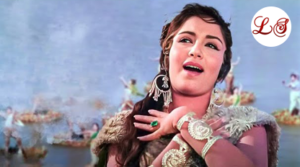
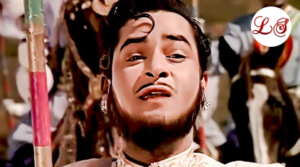
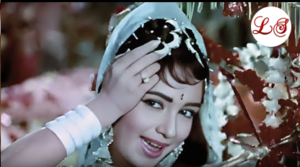
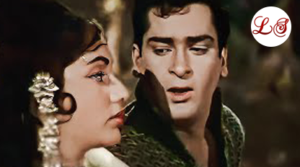
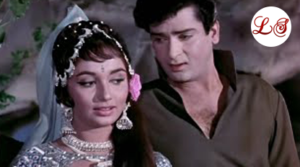
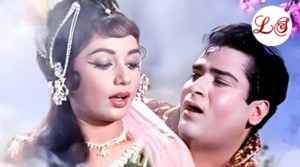
About the Movie Rajkumar (1964)
The story begins with Prince Bhanu Pratap, played by Shammi Kapoor, returning to his homeland after spending a decade abroad.
Bhanu Pratap's mother has died, and during his absence his father, the Maharaja, has married again. The new queen, Maharani Kalavanti, has a son of her own.
Although Bhanu is the rightful heir to the kingdom, the situation inside the palace is not entirely peaceful.
The Maharani's brother, Narpat Singh, played by Pran, has ambitions of gaining control of the kingdom. He begins plotting against the Maharaja and attempts to use the queen's position to strengthen his own influence.
Bhanu Pratap becomes suspicious of the activities taking place around the palace.
Rather than openly confronting the conspirators, Bhanu and his trusted friend Kapil, played by Rajendra Nath, decide to disguise themselves and move among ordinary people.
Their objective is to discover who is loyal to the Maharaja and who is secretly working against him.
During his adventures outside the palace, Bhanu meets Princess Sangeeta, played by Sadhana. A romantic relationship develops between them.
However, Bhanu's investigation becomes increasingly dangerous as he discovers evidence of a conspiracy against his father.
The villains attempt to manipulate the royal family and create circumstances that could allow Narpat Singh to gain control of the kingdom.
Bhanu must therefore balance his personal feelings with his responsibility as a prince.
His disguise also creates several humorous situations, particularly through his interactions with ordinary people and his friend Kapil.
As the conspiracy develops, Bhanu's true identity and his role in protecting the kingdom become increasingly important.
Eventually, the truth about Narpat Singh's plans is exposed.
Bhanu confronts the forces working against his father and succeeds in protecting the kingdom.
The film concludes with the royal family's problems being resolved and Bhanu and Sangeeta's romantic relationship moving toward a happy ending.
Main Cast
- Shammi Kapoor — Prince Bhanu Pratap / Bhagat Ram
- Sadhana — Princess Sangeeta
- Pran — Narpat Singh
- Prithviraj Kapoor — Maharaja
- Om Prakash — Bimasaran / Bimasal
- Rajendra Nath — Kapil / Jagat Ram
- Achala Sachdev — Padma
- Manorama — Maharani Kalavanti
- Tun Tun — Champakali
- Indu Shivraj — Diwan
- Hari Shivdasani
- Shanti Lal
The principal cast and character credits are listed by IMDb and Bollywood Hungama.
Director & Production
Director: K. Shankar
Producer: G. N. Velumani
Story: Manmohan Desai
Additional Story: A. L. Narayanan
Screenplay: Ramanand Sagar
Dialogues: Ramanand Sagar
Music: Shankar–Jaikishan
Lyrics: Shailendra, Hasrat Jaipuri
Production Banner: Saravana Films
Language: Hindi
Genre: Musical, Drama, Romance, Action
Runtime: Approximately 178 minutes according to IMDb.
Music
The music of Rajkumar was composed by the legendary duo Shankar–Jaikishan. The soundtrack featured the voices of Mohammed Rafi, Lata Mangeshkar, Asha Bhosle and Suman Kalyanpur. Lyrics were written by Shailendra and Hasrat Jaipuri.
Popular Songs
- Hum Hain Rajkumar — Mohammed Rafi
- Aaja Aai Bahar — Lata Mangeshkar
- Tumne Pukara Aur Hum Chale Aaye — Mohammed Rafi, Suman Kalyanpur
- Dilruba Dil Pe Tu — Mohammed Rafi, Asha Bhosle
- Is Rang Badalti Duniya Mein — Mohammed Rafi
- Tumne Kisi Ki Jaan Ko — Mohammed Rafi
- Naach Re Man Badkamma — Asha Bhosle, Lata Mangeshkar
- Jaane Wale Zara Hoshiyar — Mohammed Rafi
The soundtrack is particularly remembered for “Tumne Pukara Aur Hum Chale Aaye,” “Aaja Aai Bahar” and “Is Rang Badalti Duniya Mein.”
Themes
Rajkumar explores:
- Royal life and responsibility
- Love and romance
- Loyalty
- Political conspiracy
- Family relationships
- Courage
- Justice
- Friendship
- Good versus evil
- Duty toward the kingdom
The central theme is the prince's responsibility to protect his family and kingdom while uncovering the conspiracy against his father.
Legacy
Rajkumar is remembered as one of Shammi Kapoor's colourful musical films of the 1960s, combining royal adventure with romance, comedy and memorable songs.
The film is particularly notable for the pairing of Shammi Kapoor and Sadhana, while Pran plays the principal antagonist. Its music by Shankar–Jaikishan remains an important part of its lasting appeal.
Songs such as “Tumne Pukara Aur Hum Chale Aaye,” “Aaja Aai Bahar,” “Dilruba Dil Pe Tu” and “Is Rang Badalti Duniya Mein” continue to be associated with classic Hindi film music.