
 Geeton ka Sangrah
New:
Azmale Ye Formule (आजमाले ये फोर्मुले)
— Abhijeet Bhattacharya
Classic:
Aana Zara Paas To Aa (आना ज़ारा पास तो आ)
— Anuradha Paudwal
Classic:
Ghunghat Me Chand Hoga (घुंगट में चाँद होगा)
— Kavita Krishnamurthy
Added:
Ghash Kha Ke Ho Gaya (गश खा के हो गया)
— Sukhwinder Singh
Popular:
Mera Ek Sapna Hai (मेरा एक सपना हैं)
— Kavita Krishnamurthy
Trending:
Aye Shivani (आये शीवानी)
— Sanjay Dutt
Classic:
Bahut Khoobsurat Ho (बहुत खूबसूरत हो)
— Abhijeet Bhattacharya
Popular:
Jay Mata Dee He Ambe Baliharee (जय माता दी हे अम्बे बलिहारी)
— Sanjeevani Bhelande
Popular:
Jaaneman Jaaneman (जानेमन जानेमन)
— Kavita Krishnamurthy
Popular:
Pagal Hua Deewana Hua (पागल हुआ दीवाना हुआ)
— Jaspinder Narula
Purab Aur Paschim (1970) Songs Lyrics
Purab Aur Paschim is a 1970 Hindi patriotic drama directed, produced and written by Manoj Kumar. The film stars Manoj Kumar, Saira Banu, Ashok Kumar, Pran, Prem Chopra, Nirupa Roy and Vinod Khanna in important roles. The music was composed by Kalyanji–Anandji, with lyrics by Indeevar, Prem Dhawan and Santosh Anand.
The film follows Bharat, a patriotic young Indian who travels to Britain and encounters Indians who have become disconnected from their cultural roots. There he meets Preeti, a Westernized Indian woman, and gradually develops a relationship with her while trying to make her understand the importance of Indian culture, traditions and national identity.
Purab Aur Paschim explores the contrast between Indian and Western lifestyles, while emphasizing patriotism, family values, cultural identity and pride in one's heritage. The film became one of Manoj Kumar's notable patriotic films and was commercially successful in India and overseas.
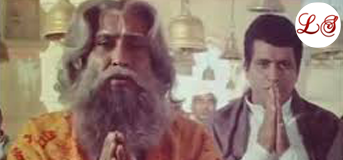
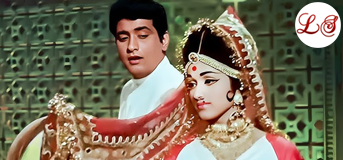
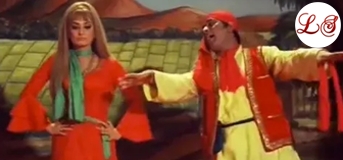
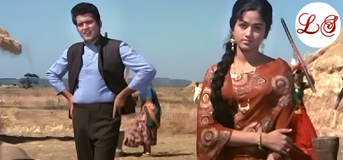

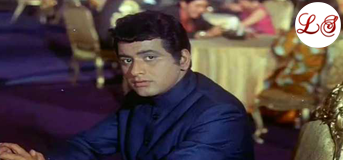
About the Movie Purab Aur Paschim (1970)
The story begins during the Indian independence struggle, introducing Guruji, a respected patriotic figure, and his son Harnam. Harnam becomes attracted to the British way of life and eventually turns away from his Indian roots.
Years later, Guruji's grandson Bharat, played by Manoj Kumar, grows up with a deep sense of patriotism and respect for Indian traditions.
Bharat eventually travels to Britain. There he encounters a group of Indians who have settled abroad and adopted Western lifestyles.
Among them is Preeti, played by Saira Banu. Preeti has grown up in Britain and is strongly influenced by Western culture. She has little attachment to traditional Indian customs.
Bharat is surprised by the way some Indians living abroad have become disconnected from their cultural identity. He believes that living in another country should not mean forgetting one's roots.
Bharat and Preeti gradually become close. Despite their differences, Preeti is attracted to Bharat's personality and idealism.
Bharat also meets other members of the Indian community in Britain. Some have retained their love for India, while others have completely embraced Western lifestyles.
One of the central figures is Harnam, played by Pran, whose choices in the past had caused great pain to Guruji's family.
Bharat attempts to make the people around him understand that modernity does not require abandoning Indian culture.
The cultural differences between Bharat and Preeti become increasingly important as their relationship develops.
Bharat eventually asks Preeti to visit India so that she can experience the country and understand the traditions she has previously rejected.
When Preeti comes to India, she encounters a completely different environment. She experiences Indian family life, customs, spirituality and the emotional connection between people.
Her perception of India gradually changes.
She begins to understand the values Bharat has been trying to explain to her and realizes that Indian traditions can coexist with modern life.
The film's romantic story therefore becomes closely connected with its larger theme of cultural rediscovery.
Bharat and Preeti's relationship eventually receives family approval, while the older conflicts surrounding Harnam and Guruji move toward resolution.
The film concludes with a strong message about patriotism, cultural identity, family and respect for one's homeland.
Main Cast
- Manoj Kumar — Bharat
- Saira Banu — Preeti Sharma
- Ashok Kumar — Guruji / Dada
- Kamini Kaushal — Ganga, Bharat's mother
- Pran — Harnam
- Prem Chopra — Omkar / O.P.
- Nirupa Roy — Kaushalya, Harnam's wife
- Vinod Khanna — Shyamu
- Bharathi Vishnuvardhan — Gopi
- Madan Puri — D. P. Sharma
- Shammi — Rita Sharma
- Rajendra Nath — Shankar Sharma
- Om Prakash — Baba
The principal cast and crew are documented by IMDb and other film references.
Director & Production
Director: Manoj Kumar
Producer: Manoj Kumar
Story: Shashi Goswami, Manoj Kumar
Screenplay: Manoj Kumar
Music: Kalyanji–Anandji
Lyrics: Indeevar, Prem Dhawan, Santosh Anand
Cinematography: V. N. Reddy
Editing: B. S. Glaad
Production Studio: Vishal International Productions
Language: Hindi
Genre: Drama, Family, Musical, Romance
Runtime: Approximately 175 minutes
Music
The music of Purab Aur Paschim was composed by Kalyanji–Anandji. The soundtrack featured playback singers including Mahendra Kapoor, Mukesh, Lata Mangeshkar, Asha Bhosle, Manhar Udhas and Shyama Chittar.
Popular Songs
- Dulhan Chali
- Koi Jab Tumhara Hriday Tod De
- Purva Suhani Aayi Re
- Bharat Ka Rehnewaala
- Raghupati Raghav Raja Ram
- Jab Zero Diya Mere Bharat Ne
- Om Jai Jagdish Hare
- Twinkle Twinkle Little Star
The patriotic songs, especially “Bharat Ka Rehnewaala” and “Jab Zero Diya Mere Bharat Ne,” became closely associated with the film's message of national pride.
Themes
Purab Aur Paschim explores:
- Patriotism
- Indian cultural identity
- East versus West
- Indian traditions
- Westernisation
- Family values
- Love and marriage
- Cultural roots
- National pride
- Respect for one's homeland
The central message is that embracing modernity does not require abandoning one's cultural identity and connection with one's homeland.
Legacy
Purab Aur Paschim became an important film in Manoj Kumar's patriotic cinema. It was commercially successful and became particularly popular among Indian audiences living overseas. In the United Kingdom, the film reportedly ran for more than 50 weeks in London and held the UK's Indian-film box-office record for many years.
The film is also remembered for its portrayal of the cultural differences between Indians living in India and those who had settled in Western countries.
Its songs, particularly “Dulhan Chali,” “Koi Jab Tumhara Hriday Tod De,” “Bharat Ka Rehnewaala” and “Jab Zero Diya Mere Bharat Ne,” remain associated with classic patriotic Hindi cinema.
The film's central idea later influenced other Hindi films dealing with Indian identity and the experience of Indians living abroad. The 2007 film Namastey London has been described as being inspired by Purab Aur Paschim.