
 Geeton ka Sangrah
Popular:
Na Kajare Ki Dhar (ना कजरे की धार) (Part – 2)
— Sadhana Sargam
Trending:
Na Kajare Ki Tasveer Teri (ना कजरे की तस्वीर तेरी)
— Pankaj Udhas
Added:
Main Cheez Badi Hoon Mast Mast (मैं चीज़ बड़ी हूँ मस्त मस्त)
— Kavita Krishnamurthy
New:
Dil Har Koi Deta Hain (दिल हर कोई देता हैं)
— Alka Yagnik
Added:
Ae Kash Kahi Aisa Hota (ऐ काश कही ऐसा होता)
— Kumar Sanu
Added:
Subah Se Lekar Shaam Tak (सुबह से लेकर शाम तक)
— Sadhana Sargam
Added:
Na Kajre Ki Dhar (ना कजरे की धार)
— Pankaj Udhas
Popular:
Tip Tip Barsa Paani (टिप टिप बरसा पानी)
— Alka Yagnik
Popular:
Tu Chiz Badi Hai Mast Mast (तू चीज़ बड़ी है मस्त मस्त)
— Kavita Krishnamurthy
Added:
Kya Sochta Hai Ae Dil (क्या सोचता हैं ऐ दिल)
— Anuradha Paudwal
Mere Huzoor (1968) Songs Lyrics
Mere Huzoor is a 1968 Hindi romantic drama directed and written by Vinod Kumar and produced by Malik Chand Kochar and Vinod Kumar under the Movie Mughals banner. The film stars Raaj Kumar, Mala Sinha and Jeetendra in the lead roles, with Johnny Walker, K. N. Singh, Zeb Rehman and David Abraham in supporting roles. The music was composed by Shankar–Jaikishan, with lyrics by Hasrat Jaipuri.
The story revolves around Nawab Salim, Sultanat and Akhtar Hussain, forming an emotional love triangle. Akhtar, a poet, falls in love with Sultanat, while Salim, his benefactor and friend, also loves her. Sultanat chooses Akhtar, but their married life is later troubled when Akhtar falls into bad company and begins neglecting his family.
The film combines romance, friendship, sacrifice, family drama and emotional conflict, and is particularly remembered for its elegant Lucknow-based setting and memorable music.
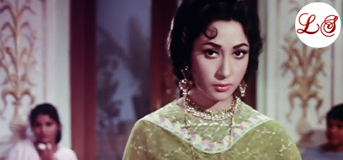
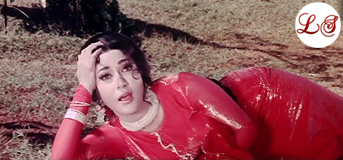
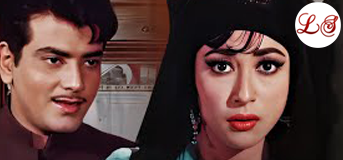
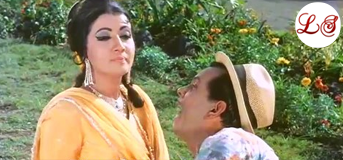
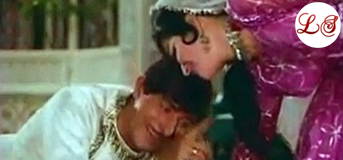
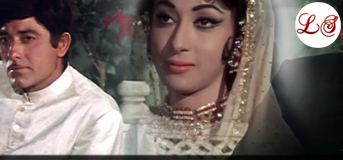
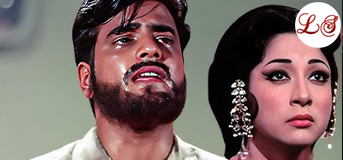
About the Movie Mere Huzoor (1968)
The story begins with Akhtar Hussain Akhtar, played by Jeetendra, who saves the life of Nawab Salim, played by Raaj Kumar. Grateful for Akhtar's courage, Salim invites him to his magnificent home and offers him employment and a place to stay.
During his journey to Salim's home, Akhtar meets Sultanat, played by Mala Sinha, and is immediately attracted to her. Their meeting develops into love, and the two eventually decide to marry.
Unknown to Akhtar, Nawab Salim is also in love with Sultanat. Sultanat, however, does not accept Salim's proposal because her heart belongs to Akhtar.
Although heartbroken, Salim accepts their decision and continues to treat Akhtar with affection and respect.
Akhtar and Sultanat marry and have a son. Salim develops a deep affection for the child and remains connected with the family.
However, Akhtar gradually falls into bad company. He begins drinking and becomes involved with a courtesan named Firdous. His changing lifestyle causes serious problems in his marriage.
Sultanat is deeply hurt by Akhtar's behavior and asks him to change. Instead of accepting responsibility, Akhtar eventually divorces Sultanat and leaves her and their son.
Salim tries to help Sultanat and her child. However, rumours begin to circulate about Salim and Sultanat's relationship. Concerned about Sultanat's honour, Salim takes a difficult decision.
The story then moves through years of separation, regret and sacrifice. Akhtar eventually realizes the consequences of his actions and understands the value of the family he had lost.
The emotional climax brings the characters together again and highlights forgiveness, sacrifice, honour and selfless love.
Main Cast
- Raaj Kumar — Nawab Salim
- Jeetendra — Akhtar Hussain Akhtar
- Mala Sinha — Sultanat
- Johnny Walker — Pyarelal Bedar
- Zeb Rehman — Geeta
- Surekha — Shama
- K. N. Singh — Hakim
- David Abraham — Lala Chunautilal
- Manorama — Mrs. Chunautilal
- Laxmi Chhaya — Courtesan
- Madhumati — Courtesan
- Prem Prakash — supporting role
- Ram Mohan — Nabban Miya
- Khalid Siddiqui — Munne
The principal cast and character credits are listed by IMDb and other film databases.
Director & Production
Director: Vinod Kumar
Writer: Vinod Kumar
Producer: Malik Chand Kochar, Vinod Kumar
Production Banner: Movie Mughals
Music: Shankar–Jaikishan
Lyrics: Hasrat Jaipuri
Cinematography: Prakash Antra
Editing: Prabhakar Supare
Language: Hindi
Genre: Romance, Drama
Runtime: Approximately 165 minutes
The film is set around the cultural world of Lucknow, with its story featuring Nawabi traditions, poetry, romance and questions of honour and social reputation.
Music
The music of Mere Huzoor was composed by Shankar–Jaikishan, with lyrics by Hasrat Jaipuri. The soundtrack features playback singers including Mohammed Rafi, Lata Mangeshkar, Asha Bhosle and Manna Dey.
Popular Songs
- Rukh Se Zara Naqaab Utha Do Mere Huzoor — Mohammed Rafi
- Jhanak Jhanak Tori Baaje Payaliya — Manna Dey
- Gham Uthane Ke Liye Main To Jiye Jaunga — Mohammed Rafi
- Jo Guzar Rahi Hai Mujh Par — Mohammed Rafi
- Aap Ki Khatir — Lata Mangeshkar & Mohammed Rafi
- Meri Jaan Meri Jaan Apne Aashiq Ko Satana — Asha Bhosle & Mohammed Rafi
- Allah Allah Allah Woh Le Gaya Chandi Chhalla — Lata Mangeshkar
“Jhanak Jhanak Tori Baaje Payaliya”, sung by Manna Dey, is especially notable and won him the National Film Award for Best Male Playback Singer.
Themes
Mere Huzoor explores:
- Love and sacrifice
- Friendship
- Marriage and family
- Jealousy
- Regret and redemption
- Social honour
- Selfless love
- Forgiveness
- Emotional separation
The central theme is that true love can involve sacrifice, patience and forgiveness, while careless choices can have lasting consequences.
Legacy
Mere Huzoor remains remembered as a classic romantic drama of the late 1960s, particularly for the performances of Raaj Kumar, Mala Sinha and Jeetendra. The film's emotional love triangle and Lucknow-inspired atmosphere give it a distinctive place in Hindi cinema.
Its soundtrack is an especially important part of the film's legacy. “Rukh Se Zara Naqaab Utha Do Mere Huzoor” and “Jhanak Jhanak Tori Baaje Payaliya” continue to be associated with classic Hindi film music.