
 Geeton ka Sangrah
Added:
Oh Re Ghungroo Ka Bole (हो रे घुँघरू का बोले)
— Lata Mangeshkar
New:
Ram Ka Naam Badnam Na Karo (राम का नाम बदनाम ना करो)
— Kishore Kumar
Popular:
Kanchi Re Kanchi Re (कांची रे कांची रे)
— Kishore Kumar
New:
Hare Rama Hare Krishna (हरे रामा हरे कृष्णा)
— Asha Bhosle
Added:
Dam Maaro Dam (दम मारो दम)
— Asha Bhosle
Added:
Dil Ki Dhadkan Bole (दिल की धड़कन बोले)
— Alka Yagnik
New:
Tala Khol De Chabi Se (ताला खोल दे चाबी से)
— Aadesh Shrivastava
Classic:
Mera Munna Jab Jawan Ho Jayega (मेरा मुन्ना जब जवान हो जाएगा)
— Anuradha Paudwal
New:
Koi Hai Dil Dene Wala (कोई है दिल देने वाला)
— Asha Bhosle
Trending:
Dhanno Kee Aankh Sharabi (धन्नो की आँख शराबी)
— Anuradha Paudwal
Jis Desh Mein Ganga Behti Hai (1960) Songs Lyrics
Jis Desh Mein Ganga Behti Hai is a 1960 Hindi social drama film directed by Radhu Karmakar and produced by Raj Kapoor under the banner of R. K. Films. The film stars Raj Kapoor, Padmini and Pran in the lead roles, with Lalita Pawar, Chanchal, Raj Mehra and Nana Palsikar in supporting roles. The music was composed by Shankar–Jaikishan, with lyrics by Shailendra and Hasrat Jaipuri.
The film tells the story of Raju, a simple, innocent wandering singer who becomes involved with a group of dacoits after helping their injured leader. Although the gang initially presents itself as protecting the poor, Raju eventually witnesses the brutal consequences of their crimes and decides that violence cannot be justified.
The film combines romance, social drama, music and moral themes, focusing on non-violence, redemption, social reform and the possibility of bringing criminals back into mainstream society.
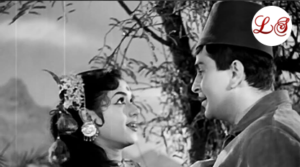
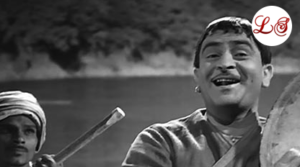
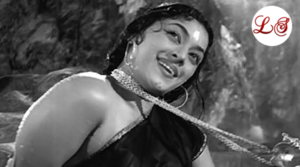
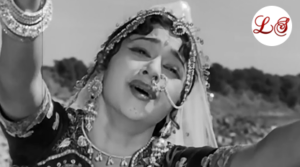
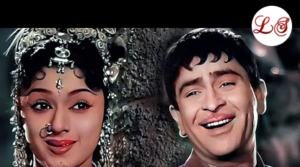
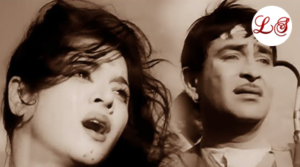
About the Movie Jis Desh Mein Ganga Behti Hai (1960)
The story follows Raju, played by Raj Kapoor, a poor and innocent wandering singer who earns his living by performing songs. He is kind-hearted and believes in helping others.
One day, Raju comes across an injured man and helps him without knowing his identity. The injured man turns out to be the leader of a gang of dacoits. The gang initially suspects Raju of being an undercover policeman, but the leader eventually accepts him and treats him with affection.
The gang's leader and his daughter Kammo, played by Padmini, convince Raju that they are not ordinary criminals. They claim that their activities help distribute wealth among the poor.
Raju gradually becomes attached to the group and falls in love with Kammo. However, his understanding of the gang changes when he accompanies them during a robbery and witnesses the murder of a newly married couple.
Shocked by the violence, Raju decides that he cannot remain with the dacoits. He leaves the gang and approaches the police to tell them the truth.
The situation becomes more dangerous when Raka, played by Pran, kills the gang's leader and takes control. Raka also attempts to force Kammo into marriage.
Raju tries to protect Kammo and asks the authorities to deal with the dacoits. However, when he realizes that simply killing the criminals will not solve the problem, he begins searching for a peaceful alternative.
Instead of supporting violence, Raju returns to the dacoit settlement and tries to convince the gang members to surrender peacefully. He explains that they can give their children a better future by abandoning their criminal lives and becoming respectable members of society.
The film's conclusion emphasizes reform over revenge, presenting surrender and rehabilitation as a better solution than continued violence.
Main Cast
- Raj Kapoor — Raju
- Padmini — Kammo
- Pran — Raka
- Lalita Pawar — Mirabai
- Chanchal — Bijli
- Raj Mehra — Police Superintendent
- S. B. Nayampalli — Sardar
- Nana Palsikar — Tau
- Ramayan Tiwari — Mirabai's husband
- Vishwa Mehra — Bhimu
Director & Production
Director: Radhu Karmakar
Producer: Raj Kapoor
Production Banner: R. K. Films
Writer: Arjun Dev Rashk
Story: Arjun Dev Rashk
Screenplay: Arjun Dev Rashk
Dialogues: Arjun Dev Rashk
Music: Shankar–Jaikishan
Lyrics: Shailendra, Hasrat Jaipuri
Cinematography: Tara Dutt
Editing: G. G. Mayekar
Art Direction: M. R. Achrekar
Language: Hindi
Genre: Social Drama, Romance, Musical
Runtime: Approximately 167–174 minutes
This was Radhu Karmakar's first film as director; he had previously worked as a cinematographer on several Raj Kapoor films.
Music
The music of Jis Desh Mein Ganga Behti Hai was composed by the legendary duo Shankar–Jaikishan, while the lyrics were written by Shailendra and Hasrat Jaipuri.
Popular Songs
- Hothon Pe Sacchai Rehti Hai
- Aa Ab Laut Chalen
- O Basanti Pawan Pagal
- Kya Hua Yeh Mujhe Kya Hua
- Mera Naam Raju
- Begaani Shaadi Mein Abdulla Deewana
The song “Hothon Pe Sacchai Rehti Hai”, sung by Mukesh, became particularly associated with the film and its message of honesty and moral values.
Themes
Jis Desh Mein Ganga Behti Hai explores:
- Non-violence
- Social reform
- Redemption
- Love
- Humanity
- Moral responsibility
- Rehabilitation of criminals
- Family and future generations
- Good versus violence
The film's central message is that people involved in crime can be reformed and brought back into society rather than simply destroyed through violence.
The story was influenced by contemporary efforts associated with Vinoba Bhave and Jayaprakash Narayan, who advocated the surrender and rehabilitation of dacoits.
Legacy
Jis Desh Mein Ganga Behti Hai became one of the notable social films associated with Raj Kapoor's cinema. The film was a commercial success and was declared a hit.
It received significant recognition at the 9th Filmfare Awards, winning four awards, including Best Film for Raj Kapoor, Best Actor for Raj Kapoor, Best Editing and Best Art Direction.
The film also received a Certificate of Merit for Best Feature Film in Hindi at the National Film Awards.
Its songs, particularly “Hothon Pe Sacchai Rehti Hai,” “Aa Ab Laut Chalen” and “O Basanti Pawan Pagal,” have remained popular among admirers of classic Hindi cinema.