
 Geeton ka Sangrah
New:
Thaaein Thaaein (थायें थायें)
— Sachet Tandon
Added:
Maiyya (मैया)
— Sachet Tandon
Trending:
Jaadu (जादू)
— Sachet Tandon
New:
Akhiyaan De Kol (अंखियां दे कोल)
— Mellow D
Popular:
Yun Huaa Ke Hame Tum Mile (यूँ हुआ के हमें तुम मिले)
— Alka Yagnik
Trending:
Dulha Bhi Lajawab Hai (दूल्हा भी लाजवाब है)
— Kavita Krishnamurthy
Popular:
Chiti Pahad Chadhe (चींटी पहाड़ चढ़े)
— Hema Sardesai
Added:
Panga Na Le Mere Naal (पंगा ना ले मेरे नाल)
— Sonu Nigam
Popular:
I Love You Bol Daal (आई लव यू बोल डाल)
— Alka Yagnik
Trending:
What Is Mobile Number (व्हाट इज़ मोबाइल नंबर)
— Alka Yagnik
Upkar (1967) Songs Lyrics
Upkar is a 1967 Hindi patriotic drama directed by Manoj Kumar, who also wrote the film and played the lead role of Bharat. The film stars Asha Parekh, Prem Chopra, Pran, Kamini Kaushal, Kanhaiyalal, David Abraham and Madan Puri in important roles. The music was composed by Kalyanji–Anandji, with lyrics by Gulshan Bawra, Prem Dhawan and Qamar Jalalabadi.
Set against the backdrop of the Indo-Pakistani War of 1965, Upkar celebrates the contribution of Indian farmers and soldiers. The film was inspired by Prime Minister Lal Bahadur Shastri's slogan “Jai Jawan, Jai Kisan”, and it became Manoj Kumar's directorial debut.
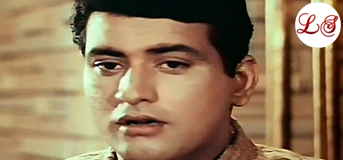
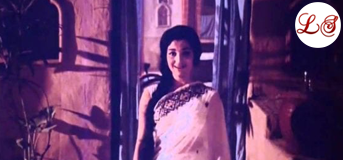

About the Movie Upkar (1967)
The story centers on Bharat, a hardworking farmer who lives with his widowed mother Radha and younger brother Puran in a village.
Bharat is deeply attached to his family and believes that his younger brother should receive a good education and have a better future.
Because the family has limited financial resources, Bharat sacrifices his own ambitions and works hard on the farm so that Puran can study.
His mother is proud of Bharat's selflessness, but Puran gradually develops a very different outlook on life.
Puran becomes attracted to a more luxurious lifestyle and begins to value money and material success over family responsibilities.
Bharat continues to work honestly and remains devoted to his mother and the land.
Meanwhile, Bharat develops a close relationship with Kavita, played by Asha Parekh. Their relationship brings a romantic element to the story while highlighting the simple and emotional life of the village.
As Puran's education progresses, he becomes increasingly distant from his family.
He eventually becomes involved with people who introduce him to illegal activities and drug trafficking.
Bharat is deeply disappointed by his brother's behavior but continues trying to protect him.
The situation becomes more serious when war breaks out.
Bharat answers the call of duty and joins the Indian Army, transforming himself from a farmer into a soldier.
The film then presents the parallel importance of the two pillars represented by its central message:
the farmer who feeds the nation and the soldier who protects it.
Bharat's service to the country places him in dangerous circumstances.
At the same time, Puran's greed and criminal associations bring him into conflict with the law and his own family.
The contrast between the two brothers becomes increasingly clear.
Bharat represents sacrifice, honesty, patriotism and responsibility, while Puran represents the dangers of greed, selfishness and moral corruption.
The story eventually brings the brothers face to face with the consequences of their choices.
Through suffering, sacrifice and the realities of war, Puran begins to understand the value of family, duty and the sacrifices made by his elder brother.
The film concludes with a strong patriotic message about the importance of farmers, soldiers, family values and service to the nation.
Main Cast
- Manoj Kumar — Bharat
- Asha Parekh — Kavita
- Prem Chopra — Puran Kumar
- Pran — Malang
- Kamini Kaushal — Radha
- Kanhaiyalal Chaturvedi — Lala Dhaniram
- David Abraham — Major Saab
- Manmohan Krishna — Kishan
- Madan Puri — Charan Das
- Aruna Irani
- Laxmi Chhaya
- Mohan Choti — Mangal
- Krishan Dhawan — Ramu
- Tun Tun — Lakhpati's Wife
Director & Production
Director: Manoj Kumar
Writer: Manoj Kumar
Producers: Harkishen R. Mirchandani, R. N. Goswami
Associate Producers: Shashi Goswami, Roop Mirchandani
Production Company: Vishal Pictures
Music: Kalyanji–Anandji
Lyrics: Gulshan Bawra, Prem Dhawan, Qamar Jalalabadi
Cinematography: V. N. Reddy
Editing: B. S. Glaad
Language: Hindi
Genre: Drama, Romance, War
Runtime: Approximately 2 hours 55 minutes
Music
The music of Upkar was composed by Kalyanji–Anandji. The soundtrack featured lyrics by Gulshan Bawra, Prem Dhawan and Qamar Jalalabadi, with playback singers including Mahendra Kapoor, Manna Dey, Mohammed Rafi, Lata Mangeshkar, Asha Bhosle and Shamshad Begum.
Popular Songs
- Mere Desh Ki Dharti
- Kasme Vaade Pyar Wafa
- Aayi Jhoom Ke Basant
- Gulabi Raat Gulabi
- Har Khushi Ho Wahan
- Diwano Se Yeh Mat Poochho
- Mere Desh Ki Dharti Sona Ugle
“Mere Desh Ki Dharti”, sung by Mahendra Kapoor, became the film's signature patriotic song and remains strongly associated with India's Independence Day and Republic Day celebrations.
Themes
Upkar explores:
- Patriotism
- Jai Jawan, Jai Kisan
- Sacrifice
- Family values
- Brotherhood
- Farmers' contribution
- Soldiers' sacrifice
- Duty to the nation
- Greed and corruption
- Rural life
- Moral responsibility
The film's central message is that both the farmer and the soldier make essential sacrifices for the country.
Legacy
Upkar became one of the most important patriotic films of 1960s Hindi cinema. It marked Manoj Kumar's directorial debut and established the patriotic image that became an important part of his later career.
The film was a major commercial and critical success and was the highest-grossing Indian film of 1967, according to historical accounts. It also won major awards, including the National Film Award for Second Best Feature Film and Manoj Kumar's Filmfare Award for Best Director.
Its song “Mere Desh Ki Dharti” has achieved a lasting place in Indian patriotic culture.