
 Geeton ka Sangrah
Popular:
Bharat Humko Jaan Se Pyara Hai (भारत हमको जान से प्यारा है)
— Hariharan
Classic:
Rukmani Rukmani (रुक्मनी रुक्मनी)
— Baba Sehgal
Popular:
Roja Jaaneman (रोजा जानेमन)
— Hariharan
Popular:
Yeh Haseen Vadiyan (ये हसीं वादियाँ)
— K. S. Chithra
Classic:
Dil Hai Chota Sa (दिल है छोटा सा)
— Minmini
Classic:
Na Kajare Ki Dhar (ना कजरे की धार) (Part – 2)
— Sadhana Sargam
Trending:
Na Kajare Ki Tasveer Teri (ना कजरे की तस्वीर तेरी)
— Pankaj Udhas
Popular:
Main Cheez Badi Hoon Mast Mast (मैं चीज़ बड़ी हूँ मस्त मस्त)
— Kavita Krishnamurthy
New:
Dil Har Koi Deta Hain (दिल हर कोई देता हैं)
— Alka Yagnik
Popular:
Ae Kash Kahi Aisa Hota (ऐ काश कही ऐसा होता)
— Kumar Sanu
Taj Mahal (1963) Songs Lyrics
Taj Mahal is a 1963 Hindi historical romantic drama directed by M. Sadiq and produced by A. K. Nadiadwala. The film stars Pradeep Kumar as Prince Khurram/Shah Jahan and Bina Rai as Arjumand Banu/Mumtaz Mahal, with Veena, Rehman, Jeevan, Jabeen Jalil and Helen in important roles. The music was composed by Roshan, while the lyrics were written by Sahir Ludhianvi.
The film dramatizes the legendary love story of Prince Khurram and Arjumand Banu, who later become Emperor Shah Jahan and Mumtaz Mahal. Their love faces opposition from Empress Noor Jehan, palace politics and struggles over the Mughal throne. The story ultimately leads to the creation of the Taj Mahal, Shah Jahan's monument to his beloved wife.
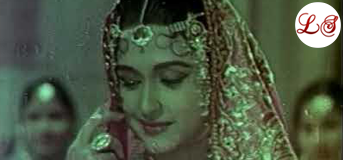
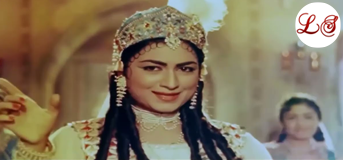
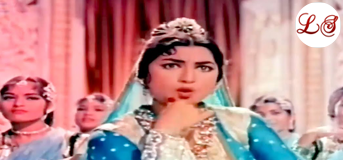
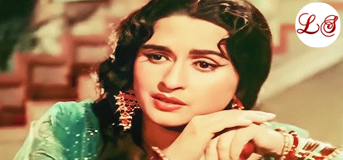
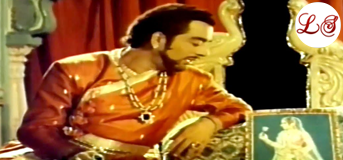
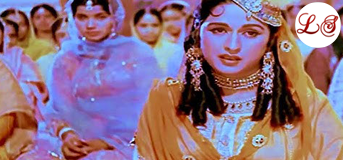
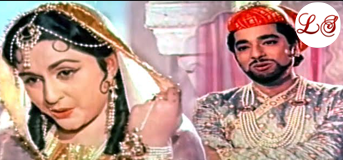
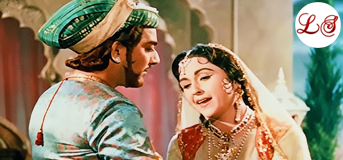
About the Movie Taj Mahal (1963)
The story begins at the Meena Bazaar, where Prince Khurram first sees Arjumand Banu, the beautiful niece of Empress Noor Jehan.
Khurram and Arjumand immediately fall in love. Their affection grows despite the complicated politics of the Mughal court.
However, Noor Jehan opposes their relationship. She wants Khurram to marry her daughter Ladli Banu and therefore attempts to separate the two lovers.
Noor Jehan first tries to keep Arjumand away from Khurram. When this fails, she attempts to send Khurram away on military campaigns.
Khurram proves himself through his bravery and military victories and eventually receives the title Shah Jahan.
Noor Jehan continues plotting against him.
She then gets Saifuddin/Shahryar involved in a plan to eliminate Khurram. Khurram is attacked and seriously injured, but Arjumand helps him recover.
When Emperor Jahangir learns about Arjumand's loyalty and courage, he accepts their love and arranges their marriage.
Khurram and Arjumand are married, and Arjumand eventually becomes known as Mumtaz Mahal.
Their happiness, however, is affected by the political struggles within the Mughal Empire.
When Jahangir becomes seriously ill, Noor Jehan gains greater control over the court and attempts to prevent Khurram from claiming the throne.
Khurram is forced to fight against political enemies while also protecting his family and his claim to the Mughal throne.
The film follows his journey through war, political intrigue, betrayal and royal succession.
Eventually, Khurram succeeds and becomes Emperor Shah Jahan.
Mumtaz remains his beloved companion, but tragedy eventually strikes when she dies after giving birth to their child.
Shah Jahan is devastated by her death.
Unable to forget his beloved wife, he decides to build an extraordinary monument in her memory.
This monument becomes the Taj Mahal, which the film presents as the ultimate symbol of their enduring love.
The story therefore transforms a historical romance into an emotional tale about love, sacrifice, political struggle and remembrance.
Main Cast
- Pradeep Kumar — Shehzada Khurram / Shah Jahan
- Bina Rai — Arjumand Banu / Mumtaz Mahal
- Veena — Noor Jehan / Mehrunissa
- Rehman — Mughal Emperor Jahangir
- Jeevan — Shehzada Shahryar / Saifuddin
- Jabeen Jalil — Ladli Bano
- Helen — Court Dancer
- Madhumati
- Ruby Mayer (Sulochana) — Arjumand's Governess
- Minoo Mumtaz — Gulbadan
Director & Production
Director: M. Sadiq
Producer: A. K. Nadiadwala
Production Company: Pushpa Pictures
Story & Screenplay: Qamar Jalalabadi
Dialogues: Tabish Sultanpuri
Music: Roshan
Lyrics: Sahir Ludhianvi
Cinematography: G. Balakrishna
Editing: Moosa Mansoor
Language: Hindi/Urdu
Genre: Historical, Romance, Drama, Musical
Runtime: Approximately 145 minutes
Music
The music of Taj Mahal was composed by the celebrated music director Roshan, with lyrics by Sahir Ludhianvi. Much of the soundtrack was performed by Mohammed Rafi and Lata Mangeshkar.
Popular Songs
- Jo Wada Kiya Woh
- Jo Baat Tujh Mein Hai
- Jurm-E-Ulfat Pe
- Khuda-E-Bartar
- Na Na Na Re Na Na, Haath Na Lagana
“Jo Wada Kiya Woh”, sung by Mohammed Rafi and Lata Mangeshkar, became one of the most enduring romantic songs of Hindi cinema.
The film's music received major recognition at the 1964 Filmfare Awards. Roshan won Best Music Director and Sahir Ludhianvi won Best Lyricist.
Themes
Taj Mahal explores:
- Eternal love
- Sacrifice
- Royal politics
- Power and succession
- Loyalty
- Betrayal
- Historical romance
- Loss and remembrance
- Love beyond death
The central theme is the idea that true love can survive even after death, with the Taj Mahal becoming a lasting symbol of Shah Jahan's love for Mumtaz Mahal.
Legacy
Taj Mahal was a commercial success and is especially remembered for its Roshan–Sahir Ludhianvi soundtrack. The film's portrayal of Shah Jahan and Mumtaz Mahal became one of the notable cinematic versions of their legendary love story.
The film is also particularly famous for “Jo Wada Kiya Woh”, which remains an iconic Hindi film love song decades after its release.