
 Geeton ka Sangrah
New:
Zor Dekho Shor Dekho (ज़ोर देखो शोर देखो)
— Gopal Rao
Trending:
Tere Pyar Mein (तेरे प्यार में)
— Hema Sardesai
New:
Pehli Pehli Baar Jaaga Hai (पहली पहली बार जागा है)
— Anuradha Sriram
Classic:
Main Kudi Anjaani Hu (मैं कुड़ी अंजानी हूँ)
— Hema Sardesai
Classic:
Koi Dekh Raha Chup Chhupke (कोई देख रहा छुप छुपके)
— Kavita Krishnamurthy
New:
Gham Na Karo (ग़म न करो)
— Kavita Krishnamurthy
Popular:
Kranti Kranti (क्रांति-क्रांति)
— Lata Mangeshkar
Popular:
Looie Shama Sha (लुई शमा शा)
— Lata Mangeshkar
Classic:
Ab Ke Baras (अब के बरस)
— Mahendra Kapoor
Added:
Chana Jor Garam (चना जोर गरम)
— Kishore Kumar
Mughal-E-Azam (1960) Songs Lyrics
Mughal-E-Azam is a landmark 1960 Hindi-Urdu historical epic directed and produced by K. Asif. The film stars Prithviraj Kapoor, Dilip Kumar, Madhubala and Durga Khote in the lead roles, with Nigar Sultana, Ajit, Murad and Johnny Walker in prominent supporting roles. The music was composed by Naushad, with lyrics by Shakeel Badayuni.
The film tells the legendary love story of Prince Salim, the son of Mughal Emperor Akbar, and Anarkali, a court dancer. Their love is strongly opposed by Akbar because of the difference in their social status. Salim refuses to give up Anarkali and eventually rebels against his father, creating a dramatic conflict between love, family and royal duty.
Mughal-E-Azam is celebrated for its magnificent sets, costumes, performances, music and grand battle sequences. It became one of the most influential and celebrated films in the history of Indian cinema.
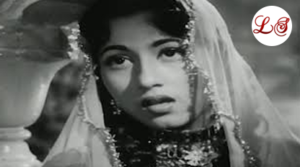
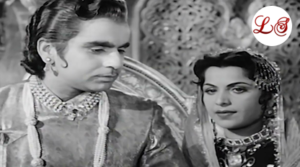
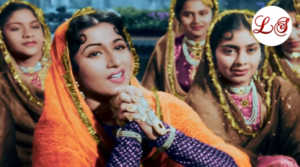
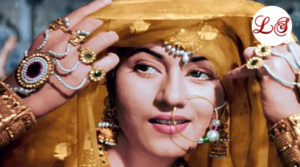
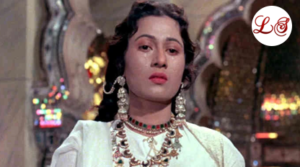
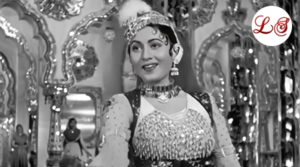
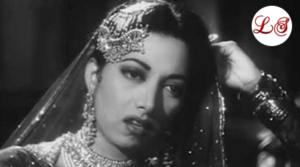
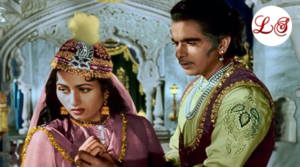
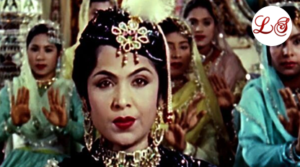
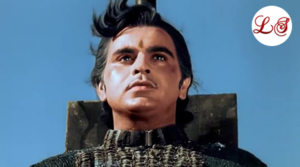
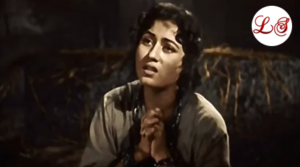
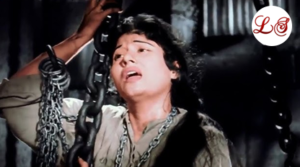
About the Movie Mughal-E-Azam (1960)
The story is set in the Mughal Empire during the reign of Emperor Akbar, played by Prithviraj Kapoor.
Akbar's son, Prince Salim, played by Dilip Kumar, grows up to become a brave but somewhat rebellious young prince. After returning from military campaigns, Salim becomes attracted to Anarkali, a beautiful court dancer played by Madhubala.
Anarkali is initially reluctant to accept the prince's affection because she understands the enormous social and political difference between them. Salim, however, sincerely falls in love with her and refuses to abandon his feelings.
Their relationship eventually becomes known to Emperor Akbar.
Akbar is furious because Anarkali is a court dancer and therefore considered socially unworthy of becoming the future queen. He orders Salim to forget her and obey his father's wishes.
Salim refuses.
The conflict between father and son becomes increasingly serious. Salim's love for Anarkali turns into an open challenge to Akbar's authority.
Akbar attempts to separate the lovers, while Salim remains determined to protect Anarkali. Their struggle ultimately leads to an armed confrontation between Salim and his father's forces.
Salim is defeated and captured. Akbar sentences his son to death, but Anarkali offers to sacrifice herself to save Salim's life.
The climax centres on Akbar's difficult choice between his duty as emperor and his love as a father.
Anarkali is ordered to be entombed alive. However, the final events reveal a complicated act of mercy that allows Akbar to preserve his authority while acknowledging the sacrifice made by Anarkali.
The film ends as a tragic but powerful story of love, sacrifice and duty.
Main Cast
- Prithviraj Kapoor — Emperor Akbar
- Dilip Kumar — Prince Salim
- Madhubala — Anarkali
- Durga Khote — Maharani Jodha Bai
- Nigar Sultana — Bahar
- Ajit — Durjan Singh
- Murad — Raja Man Singh
- Johnny Walker — Court entertainer / Tawaif
- Jillo — Anarkali's mother
- Surendra — Tansen
- Jalal Agha — Young Prince Salim
- Gopi Krishna — Kathak dancer
The principal cast and character credits are documented by IMDb and BookMyShow.
Director & Production
Director: K. Asif
Producer: K. Asif
Production Banner: Sterling Investment Corporation
Story / Screenplay: Aman, K. Asif, Kamal Amrohi, Wajahat Mirza, Ehsan Rizvi
Dialogues: Kamal Amrohi, Wajahat Mirza, Ehsan Rizvi
Music: Naushad
Lyrics: Shakeel Badayuni
Cinematography: R. D. Mathur
Editing: Dharamvir
Language: Hindi / Urdu
Genre: Historical, Epic, Romance, Drama, War
Runtime: Approximately 197 minutes
The film was exceptionally ambitious for its time and took many years to complete. Its production became known for elaborate sets, costumes, battle scenes and attention to historical detail.
Music
The music of Mughal-E-Azam was composed by Naushad, with lyrics by Shakeel Badayuni. Playback singers associated with the soundtrack include Lata Mangeshkar, Mohammed Rafi, Shamshad Begum and Ustad Bade Ghulam Ali Khan.
Popular Songs
- Pyar Kiya To Darna Kya — Lata Mangeshkar
- Mohe Panghat Pe Nandlal Chhed Gayo Re — Lata Mangeshkar
- Bekas Pe Karam Keejiye — Lata Mangeshkar
- Mohabbat Ki Jhooti Kahani — Lata Mangeshkar
- Teri Mehfil Mein Kismat Aazma Kar — Lata Mangeshkar & Shamshad Begum
- Khuda Nigehban Ho Tumhara — Lata Mangeshkar
- Ae Mohabbat Zindabad — Mohammed Rafi
- Prem Jogan Ban Ke — Ustad Bade Ghulam Ali Khan
“Pyar Kiya To Darna Kya” became one of the most iconic songs in Hindi cinema. The song was filmed in the famous Sheesh Mahal set and is particularly remembered for Madhubala's performance.
Themes
Mughal-E-Azam explores:
- Love
- Sacrifice
- Father-son conflict
- Royal duty
- Social inequality
- Rebellion
- Power and authority
- Freedom of choice
- Loyalty
- Selfless devotion
The central conflict is between Salim's love for Anarkali and Akbar's responsibility as emperor and father.
Legacy
Mughal-E-Azam is widely regarded as one of the greatest and most influential films in Indian cinema. Upon its release, it broke Indian box-office records and remained the country's highest-grossing film for approximately 15 years.
The film won the National Film Award for Best Feature Film in Hindi and received multiple Filmfare recognitions. Madhubala's performance as Anarkali has also become one of the most celebrated performances of her career.
One of the film's remarkable achievements was its use of colour. Although primarily filmed in black and white, selected sequences were shot in colour. In 2004, the complete film was digitally colourised and theatrically re-released, becoming the first black-and-white Hindi film to receive such a full digital-colour treatment.
The film's grand sets, costumes, dialogue, music and performances—especially the pairing of Dilip Kumar and Madhubala—have made it a lasting symbol of the golden era of Hindi cinema.