
 Geeton ka Sangrah
Added:
Jati Hoon Main (जाती हूँ मैं)
— Alka Yagnik
Classic:
Kuchh Bhi Na Socho (कुछ भी ना सोचो)
— Anupama Deshpande
Classic:
Kuchi Kuchi Rakkamma (कूची कूची रक्क्मा)
— G.V. Prakash Kumar
Popular:
Tu Hi Re (तू ही रे)
— Hariharan
New:
Ek Ho Gaye Hum Aur Tum (एक हो गए हम और तुम)
— Remo Fernandes
Classic:
Kehna Hi Kya (कहना ही क्या)
— K. S. Chithra
Popular:
Hum Badi Door Chale Aaye Hain (हम बड़ी दूर चले आए हैं)
— Shraddha Pandit
Popular:
Manzil Na Koi (मंजिल ना हो)
— Jaspinder Narula
Classic:
Nazdeek Savera Hai (नज़दीक सवेरा है)
— Kumar Sanu
New:
Naraaz Savera Hai (नाराज़ सवेरा हैं)
— Kumar Sanu
Haqeeqat (1964) Songs Lyrics
Haqeeqat (1964) is a landmark Hindi war drama directed, written and produced by Chetan Anand. The film stars Dharmendra, Balraj Sahni, Priya Rajvansh, Sanjay Khan, Vijay Anand and Jayant in important roles. The music was composed by Madan Mohan, with lyrics by Kaifi Azmi.
Set against the backdrop of the 1962 Sino-Indian War, the film follows a small group of Indian soldiers stationed in the difficult terrain of Ladakh as they face overwhelming Chinese forces. It was constructed around the events of the Rezang La battle, while presenting a fictionalized account of the soldiers' experiences.
Haqeeqat is remembered for its realistic portrayal of soldiers, sacrifice, patriotism, courage and the emotional cost of war. Its powerful music, especially "Ab Tumhare Hawale Watan Saathiyon", has become an enduring patriotic classic. The film won the National Film Award for Second Best Feature Film and is widely regarded as one of India's most important black-and-white war films.
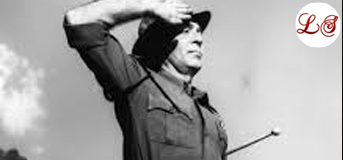
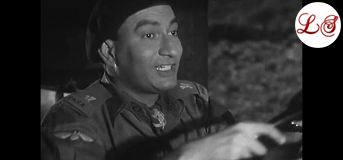
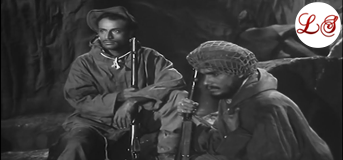
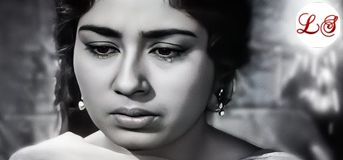

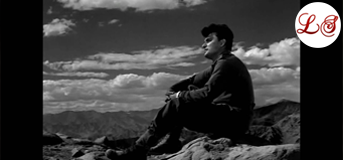
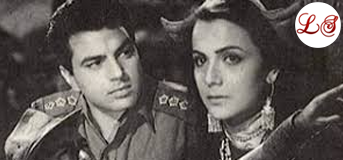
About the Movie Haqeeqat (1964)
Movie: Haqeeqat
Release Date: 1 July 1964
Language: Hindi
Genre: War, Drama, Historical
Director: Chetan Anand
Producer: Chetan Anand
Production Company: Himalaya Films
Story: Chetan Anand
Screenplay: Chetan Anand
Dialogues: Chetan Anand
Music: Madan Mohan
Lyrics: Kaifi Azmi
Cinematography: Sadanand
Editing: M. D. Jadhav Rao
Runtime: Approximately 184 minutes
Country: India
Main Cast
- Dharmendra as Captain Bahadur Singh
- Balraj Sahni as Major Ranjit Singh
- Priya Rajvansh as Angmo
- Vijay Anand as Major Pratap Singh
- Sanjay Khan as an Indian soldier
- Jayant as Brigadier Singh
- Sudhir
- Indrani Mukherjee
- Achala Sachdev
- Chand Usmani
Story Overview
The film begins with Indian soldiers stationed in the remote mountains of Ladakh during the 1962 Sino-Indian War.
Their lives are difficult because of the harsh mountainous environment.
The soldiers must deal with freezing weather, inadequate supplies and the constant threat of enemy attack.
Despite these circumstances, the platoon remains determined to protect its position.
Captain Bahadur Singh is one of the soldiers at the heart of the story.
His courage and dedication reflect the spirit of the men serving under extremely difficult conditions.
Major Ranjit Singh, the platoon commander, tries to maintain discipline and morale as the military situation deteriorates.
Meanwhile, the film gives the soldiers moments of emotional relief by showing their thoughts about home, family and loved ones.
The enemy eventually launches a major offensive.
The Indian soldiers become increasingly isolated.
They understand that reinforcements may not arrive in time.
Nevertheless, they refuse to abandon their position.
The final battle becomes a story of extraordinary courage and sacrifice.
The soldiers fight until the end, knowing that their chances of survival are extremely limited.
Their sacrifice becomes the emotional core of Haqeeqat.
Music
The music of Haqeeqat was composed by the legendary Madan Mohan, while the lyrics were written by renowned poet Kaifi Azmi.
The soundtrack is one of the most celebrated aspects of the film.
Popular Songs
- Ab Tumhare Hawale Watan Saathiyon
- Kar Chale Hum Fida Jaan-O-Tan Saathiyon
- Hoke Majboor Mujhe Usne Bulaya Hoga
- Main Yeh Soch Kar Uske Dar Se Utha Tha
- Zara Si Aahat Hoti Hai
- Khelo Na Mere Dil Se
- Aayi Ab Ke Saal Diwali
The songs blend poetry with the emotional reality of soldiers and their families.
Themes
The major themes of Haqeeqat include:
- Patriotism
- Sacrifice
- Military courage
- Brotherhood
- Duty
- Love
- Loss
- War
- Leadership
- National service
- Human resilience
- The emotional cost of conflict
The film's central message is that the bravery of soldiers is inseparable from the personal sacrifices they make.
Awards and Recognition
Haqeeqat received major recognition for its filmmaking.
The film won the National Film Award for Second Best Feature Film in 1965.
At the Filmfare Awards, M. S. Sathyu won the award for Best Art Director – Black and White.
The film's combination of strong visuals, music and realistic war depiction helped establish its reputation as an important Indian war film.