
 Geeton ka Sangrah
Trending:
Na Kajare Ki Dhar (ना कजरे की धार) (Part – 2)
— Sadhana Sargam
New:
Na Kajare Ki Tasveer Teri (ना कजरे की तस्वीर तेरी)
— Pankaj Udhas
New:
Main Cheez Badi Hoon Mast Mast (मैं चीज़ बड़ी हूँ मस्त मस्त)
— Kavita Krishnamurthy
Added:
Dil Har Koi Deta Hain (दिल हर कोई देता हैं)
— Alka Yagnik
Trending:
Ae Kash Kahi Aisa Hota (ऐ काश कही ऐसा होता)
— Kumar Sanu
Added:
Subah Se Lekar Shaam Tak (सुबह से लेकर शाम तक)
— Sadhana Sargam
Added:
Na Kajre Ki Dhar (ना कजरे की धार)
— Pankaj Udhas
Added:
Tip Tip Barsa Paani (टिप टिप बरसा पानी)
— Alka Yagnik
New:
Tu Chiz Badi Hai Mast Mast (तू चीज़ बड़ी है मस्त मस्त)
— Kavita Krishnamurthy
Trending:
Kya Sochta Hai Ae Dil (क्या सोचता हैं ऐ दिल)
— Anuradha Paudwal
Amrapali (1966) Songs Lyrics
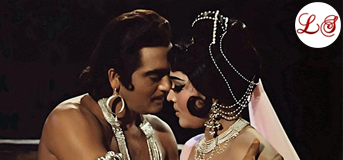
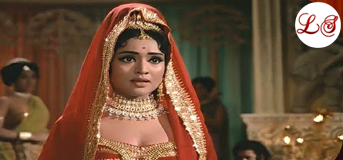
Amrapali (1966) is a Hindi historical period drama directed by Lekh Tandon and produced by F. C. Mehra. The film was released in India on 11 September 1966 and stars Vyjayanthimala as Amrapali and Sunil Dutt as Emperor Ajatashatru. The film is based on the legendary story of Amrapali (Ambapali), the celebrated courtesan of Vaishali, and her encounter with the powerful ruler of Magadha.
Set in ancient India, the story begins with Ajatashatru's repeated attempts to conquer Vaishali. After being wounded during battle, he disguises himself as a soldier and takes shelter with Amrapali. The two gradually fall in love, unaware of the consequences their relationship will bring. As political conflict intensifies, Amrapali's personal emotions become intertwined with the fate of Vaishali and Ajatashatru.
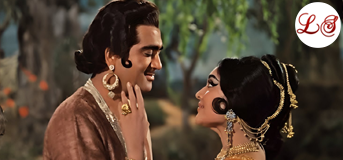
About the Movie Amrapali (1966)
Movie: Amrapali
Release Date: 11 September 1966
Language: Hindi
Genre: Historical, Drama, Romance, Musical
Director: Lekh Tandon
Producer: F. C. Mehra
Story: Omkar Sahib
Screenplay: Omkar Sahib
Dialogues: Arjun Dev Rashk, Balbir Singh
Music Directors: Shankar–Jaikishan
Lyricists: Shailendra, Hasrat Jaipuri
Cinematography: Dwarka Divecha
Editor: Pran Mehra
Art Director: M. R. Achrekar
Costume Designer: Bhanu Athaiya
Choreographer: Gopi Krishna
Production Studio: Eagle Films
Country: India
Runtime: Approximately 2 hours
The India release date is documented as 11 September 1966.
Cast
- Vyjayanthimala as Amrapali
- Sunil Dutt as Samrat Ajatashatru
- Prem Nath as Senapati Veer of Magadh
- Bipin Gupta as the Samrat of Vaishali
- Gajanan Jagirdar as Kulpati Mahanam
- K. N. Singh as Badbadhra Singh
- Zul Vellani
- Brij Bhushan
- Ranvir Raj
- Rakesh
- Ratan Kumar
- Kishan Mehta
Story Overview
The story is set in the ancient kingdoms of Magadha and Vaishali. Emperor Ajatashatru is determined to conquer Vaishali, a city that has repeatedly resisted his military campaigns.
During one of the battles, Ajatashatru is wounded and separated from his forces. To protect himself, he disguises himself as a soldier from Vaishali and seeks refuge with Amrapali, the famous royal courtesan of the city.
Amrapali takes care of the wounded stranger, unaware of his true identity. As they spend time together, love develops between them. Ajatashatru is eventually forced to confront the conflict between his feelings for Amrapali and his ambition to conquer her homeland.
When his true identity becomes known, the personal relationship between Amrapali and Ajatashatru becomes inseparable from the larger political conflict. The destruction caused by war ultimately changes both of their lives.
The film also incorporates the spiritual transformation associated with Amrapali's encounter with Gautama Buddha, presenting her journey from worldly life toward spiritual awakening.
Music
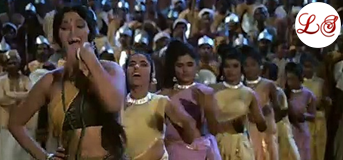
The music of Amrapali was composed by Shankar–Jaikishan, with lyrics by Shailendra and Hasrat Jaipuri. Lata Mangeshkar provided playback vocals, while the film's dance sequences were choreographed by Gopi Krishna.
Some of the memorable songs associated with the film include:
- Jao Re Jogi Tum Jao Re
- Tumhen Yaad Karte Karte
- Neel Gagan Ki Chhaon Mein
- Nacho Re
- Tadap Yeh Din Raat Ki
- Aaja Ab To Aaja