
 Geeton ka Sangrah
Popular:
Zor Dekho Shor Dekho (ज़ोर देखो शोर देखो)
— Gopal Rao
Trending:
Tere Pyar Mein (तेरे प्यार में)
— Hema Sardesai
Classic:
Pehli Pehli Baar Jaaga Hai (पहली पहली बार जागा है)
— Anuradha Sriram
Classic:
Main Kudi Anjaani Hu (मैं कुड़ी अंजानी हूँ)
— Hema Sardesai
Classic:
Koi Dekh Raha Chup Chhupke (कोई देख रहा छुप छुपके)
— Kavita Krishnamurthy
Popular:
Gham Na Karo (ग़म न करो)
— Kavita Krishnamurthy
Trending:
Kranti Kranti (क्रांति-क्रांति)
— Lata Mangeshkar
Classic:
Looie Shama Sha (लुई शमा शा)
— Lata Mangeshkar
Trending:
Ab Ke Baras (अब के बरस)
— Mahendra Kapoor
Added:
Chana Jor Garam (चना जोर गरम)
— Kishore Kumar
Dil Ek Mandir (1963) Songs Lyrics
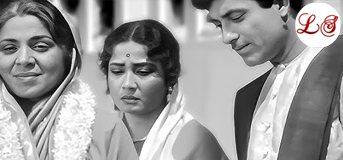
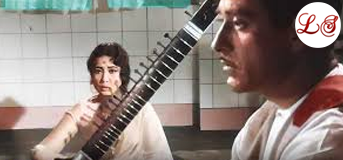
Dil Ek Mandir (1963) is a classic Hindi romantic drama directed by C. V. Sridhar, starring Rajendra Kumar, Meena Kumari, Raaj Kumar, and Mehmood. The film was released in India on 8 March 1963 and became a major commercial success. It is a remake of Sridhar's successful Tamil film Nenjil Or Aalayam (1962).
The story revolves around Dr. Dharmesh, Sita, and Ram, whose lives become tragically intertwined. Dharmesh and Sita were once deeply in love, but while Dharmesh was away, Sita married Ram. Years later, Dharmesh returns as a doctor and discovers that Ram, Sita's husband, is suffering from cancer.
Dharmesh is faced with an extraordinary emotional and moral challenge: he must treat and save the life of the husband of the woman he once loved. His personal feelings cannot interfere with his duty as a doctor.
The film develops into a powerful story of love, sacrifice, duty, forgiveness, medical dedication, and selflessness. Its central message is that true love can sometimes mean sacrificing one's own happiness for the well-being of another person.


About the Movie Dil Ek Mandir (1963)
Movie: Dil Ek Mandir
Release Date: 8 March 1963
Language: Hindi
Genre: Drama, Romance, Musical
Director: C. V. Sridhar
Story: C. V. Sridhar
Dialogues: Arjun Dev Rashk
Music: Shankar–Jaikishan
Lyrics: Shailendra, Hasrat Jaipuri
Cinematography: A. Vincent
Editing: N. M. Shankar
Production: Chitralaya Pictures / Konark Films
Runtime: Approximately 148 minutes
Country: India
Main Cast
- Rajendra Kumar as Dr. Dharmesh
- Meena Kumari as Sita
- Raaj Kumar as Ram
- Mehmood as Lallu Lal
- Shubha Khote as Mynavati
- Manmohan Krishna as Philip
- Achala Sachdev as Dharmesh's mother
- Kutty Padmini as young Uma
- Sunder as Eknath Kirtan
Story Overview
Dr. Dharmesh and Sita were deeply in love and planned to marry. However, circumstances separate them while Dharmesh is away.
When Dharmesh eventually returns, he discovers that Sita has married another man, Ram. Heartbroken, Dharmesh chooses to dedicate his life to medicine and begins working at a cancer clinic.
Fate brings the former lovers together again when Ram develops cancer and is admitted to the hospital where Dharmesh works.
Dharmesh is shocked to discover that his patient is Sita's husband.
Sita worries that Dharmesh may not be able to treat Ram objectively because of their past relationship. Dharmesh assures her that he will do everything possible to save Ram.
Ram eventually learns about the history between Dharmesh and Sita. Rather than responding with jealousy, he understands their past and even suggests that Sita should marry Dharmesh after his death.
Dharmesh becomes determined to save Ram. He works relentlessly to prepare for the complicated operation, refusing to let his personal feelings affect his medical duty.
The operation finally takes place.
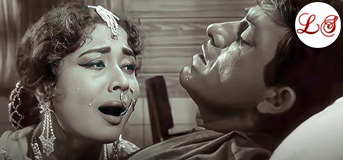
Dharmesh successfully completes the surgery and tells Sita that Ram is safe. However, after spending many days working without adequate food or sleep, Dharmesh collapses and dies.
The film ends with a hospital being established in Dharmesh's memory, symbolizing the selfless sacrifice of a man who gave his life to save the person who stood between him and the woman he loved.
Music
The music of Dil Ek Mandir was composed by Shankar–Jaikishan, with lyrics by Shailendra and Hasrat Jaipuri. The songs were major successes and remain associated with classic Hindi film music.
Popular Songs
- Dil Ek Mandir Hai
- Ruk Ja Raat
- Yaad Na Jaye Beete Dinon Ki
- Hum Tere Pyar Mein
- Tum Sab Ko Chhod Kar
- O Meri Ladli
- Paalanhaare Ram Hai
The soundtrack features voices including Mohammed Rafi, Lata Mangeshkar, and Suman Kalyanpur.
"Ruk Ja Raat"
"Ruk Ja Raat", sung by Lata Mangeshkar, is one of the film's most remembered songs. Its emotional quality fits the film's themes of longing, uncertainty, and fleeting moments.
"Yaad Na Jaye Beete Dinon Ki"
Mohammed Rafi's "Yaad Na Jaye Beete Dinon Ki" reflects the film's atmosphere of memories and lost love and remains one of the notable songs from the soundtrack.
Themes
The major themes of Dil Ek Mandir include:
- True love
- Self-sacrifice
- Professional duty
- Medical ethics
- Forgiveness
- Marital devotion
- Unfulfilled love
- Jealousy and compassion
- Humanity
- Death and remembrance
The film's strongest idea is that true love is not always about possessing the person you love; sometimes it means putting their happiness and well-being above your own.
Original Tamil Film
Dil Ek Mandir is a Hindi remake of director C. V. Sridhar's Tamil film Nenjil Or Aalayam, released in 1962. The original film was also built around the same central story of a doctor treating the husband of his former lover.
The Tamil original was a major success and won the National Film Award for Best Feature Film in Tamil. Sridhar subsequently remade his story in Hindi as Dil Ek Mandir and later in Telugu as Manase Mandiram (1966).
Awards & Recognition
At the 11th Filmfare Awards, Dil Ek Mandir received eight nominations, making it one of the leading films at the ceremony.
Awards Won
- Best Supporting Actor: Raaj Kumar
- Best Dialogue: Arjun Dev Rashk
Major Nominations
The film was also nominated for:
- Best Film
- Best Director — C. V. Sridhar
- Best Story
- Best Actor — Rajendra Kumar
- Best Actress — Meena Kumari
- Best Music Director — Shankar–Jaikishan