
 Geeton ka Sangrah
Classic:
Na Kajare Ki Dhar (ना कजरे की धार) (Part – 2)
— Sadhana Sargam
Popular:
Na Kajare Ki Tasveer Teri (ना कजरे की तस्वीर तेरी)
— Pankaj Udhas
Trending:
Main Cheez Badi Hoon Mast Mast (मैं चीज़ बड़ी हूँ मस्त मस्त)
— Kavita Krishnamurthy
Classic:
Dil Har Koi Deta Hain (दिल हर कोई देता हैं)
— Alka Yagnik
New:
Ae Kash Kahi Aisa Hota (ऐ काश कही ऐसा होता)
— Kumar Sanu
Classic:
Subah Se Lekar Shaam Tak (सुबह से लेकर शाम तक)
— Sadhana Sargam
New:
Na Kajre Ki Dhar (ना कजरे की धार)
— Pankaj Udhas
Trending:
Tip Tip Barsa Paani (टिप टिप बरसा पानी)
— Alka Yagnik
Popular:
Tu Chiz Badi Hai Mast Mast (तू चीज़ बड़ी है मस्त मस्त)
— Kavita Krishnamurthy
Added:
Kya Sochta Hai Ae Dil (क्या सोचता हैं ऐ दिल)
— Anuradha Paudwal
Harishchandra Taramati (1963) Songs Lyrics
Harishchandra Taramati (1963) is a Hindi mythological film directed and produced by B. K. Adarsh. The film stars Prithviraj Kapoor as King Harishchandra, Jaymala Adarsh as Queen Taramati, and Brij Mohan Vyas in an important role. Babloo plays Prince Rohit, while Helen appears as a dancer. The music was composed by the legendary duo Laxmikant–Pyarelal, with lyrics by Pradeep.
Based on the celebrated Hindu legend of King Harishchandra, the film portrays the king's extraordinary commitment to truth, honesty and righteousness. Even when faced with the loss of his kingdom, wealth and family, Harishchandra refuses to abandon his promise to speak the truth and fulfill his duties.
The story of Harishchandra and Taramati is one of India's most enduring tales of sacrifice, devotion, dharma and moral courage, and this 1963 film brings that legendary story to the screen through mythology, drama, music and emotion.
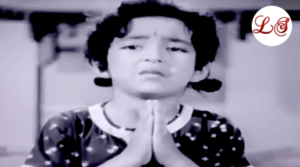
About the Movie Harishchandra Taramati (1963)
Movie: Harishchandra Taramati
Release Date: 1 January 1963
Language: Hindi
Genre: Mythological, Drama
Director: B. K. Adarsh
Producer: B. K. Adarsh
Production Company: Adarshlok
Music: Laxmikant–Pyarelal
Lyrics: Pradeep
Playback Singers: Hemant Kumar, Pradeep
Country: India
Bollywood Hungama lists the film's release date as 1 January 1963 and credits B. K. Adarsh as both director and producer. It also lists Laxmikant Kudalkar and Pyarelal as the music directors and Pradeep as lyricist.
Main Cast
- Prithviraj Kapoor as King Harishchandra
- Jaymala Adarsh as Queen Taramati
- Brij Mohan Vyas
- Ulhas
- Babloo as Prince Rohit
- Helen as Dancer
- Ramayan Tiwari
- Babu Raje
- P. Kailash
Story Overview
The film begins with King Harishchandra, a powerful and respected ruler whose greatest virtue is his commitment to truth.
Harishchandra believes that a king must always keep his word.
His devotion to truth attracts the attention of Sage Vishwamitra, who decides to test him.
The sage presents Harishchandra with a series of increasingly difficult challenges.
Harishchandra eventually gives away his kingdom and everything he owns.
He leaves his royal life behind together with Taramati and Rohit.
The family is forced to live without wealth or status.
Harishchandra eventually becomes a worker at a cremation ground.
Even after losing his kingdom and suffering extreme poverty, he refuses to compromise his principles.
Taramati remains devoted to her husband and supports him through their suffering.
Their son Rohit becomes the center of the family's greatest tragedy.
Harishchandra is forced to choose between his personal emotions and his sacred duty.
He chooses dharma and truth.
His extraordinary sacrifice ultimately brings divine grace and proves the strength of his character.
Themes
The major themes of Harishchandra Taramati include:
- Truth
- Dharma
- Sacrifice
- Devotion
- Faith
- Righteousness
- Family
- Patience
- Moral courage
- Divine justice
The central message of the story is that truth and righteousness must be upheld even when doing so requires the greatest personal sacrifice.